
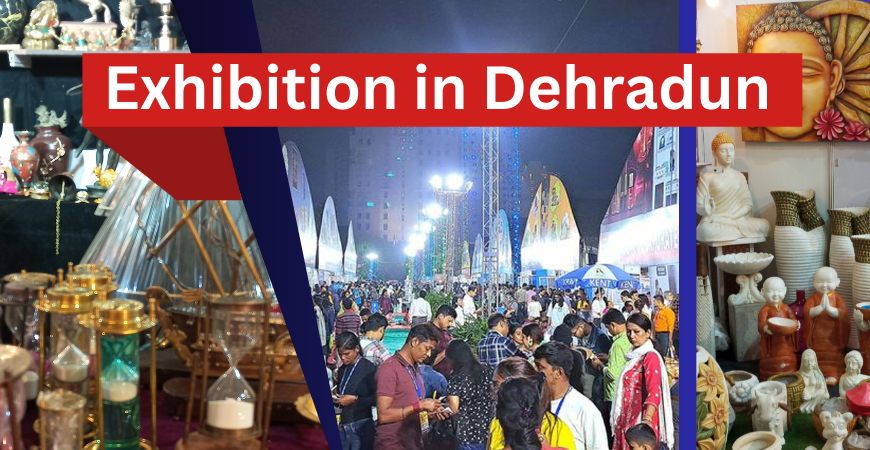
Exhibition in Dehradun has become one of the most underrated yet powerful platforms for creators who want to move beyond online metrics and understand what their audience genuinely thinks. While social media reactions are often influenced by algorithms, trends, or passive scrolling, exhibitions offer something deeper — the chance to witness authentic human behaviour. In a creator’s journey, this shift from digital validation to real-world interaction can redefine what works and what doesn’t.
Dehradun’s calm, community-oriented environment adds another layer of value. Audiences in the city don’t just glance at your work; they take the time to explore it, discuss it, and give honest feedback. This makes every exhibition not just a marketplace but a living laboratory where creators can test their ideas, content, products, and presentations in real-time.
For creators who often feel confused by fluctuating insights, unpredictable algorithms, or inconsistent engagement online, an Exhibition in Dehradun functions like a clarity zone. It gives them a platform where reactions are not influenced by digital noise but by genuine curiosity and interest. Indian Global Grand Trade Fair has organized a big trade fair for all buyers and sellers in Dehradun. It is a world of opportunities, as 8+ international countries and 15+ Indian states come together under one roof to showcase 1 lakh+ products — from lifestyle and fashion to technology and handicrafts. Venue is Racecourse Ground( opp. Bannu School) Dehradun- Uttarakhand.
Dehradun’s Exhibition Landscape: A Quiet Creative Lab, Not a Crowded Marketplace
Unlike metro cities where exhibitions are packed, fast-paced, and overwhelmingly commercial, Dehradun offers a slower and more meaningful environment. The city’s exhibitions are typically mid-scale, community-driven events where creators get ample time and space to interact with visitors. This slower pace transforms exhibitions from sales events into creative workshops.
One of the biggest advantages of an Exhibition in Dehradun is that visitors tend to engage at a deeper level. The nature of the city attracts people who prefer genuine interactions over hurried browsing. They ask thoughtful questions, share detailed opinions, and even offer personal stories that relate to your creation. For creators, this is invaluable because it reveals emotional responses that online analytics can never capture.
Another aspect that makes Dehradun exhibitions different is the blend of diverse audiences — students, families, tourists, retirees, and working professionals. Each group brings a different perspective. When people from different age groups and backgrounds respond to your work, the feedback becomes richer and more reliable. This diverse participation turns exhibitions into a mini testing environment where creators can identify whether their craft appeals universally or to specific niches.
Moreover, because the events are not overly competitive or commercial, creators experience significantly less pressure. They can focus on observing, experimenting, and learning rather than chasing sales goals. This shift in mindset helps creators grow in a more holistic way, transforming exhibitions into incubators for creative improvement.
The Validation Loop: How Exhibitions Give Creators Real, Actionable Insights
One of the most powerful outcomes of participating in an Exhibition in Dehradun is the validation loop it creates. Trade Fair And Exhibition is not like social media, where reactions are often inconsistent or shallow, exhibitions give creators immediate, raw, and detailed insights. This loop begins the moment a visitor notices your booth and continues through every interaction—how they walk, look, touch, question, and respond.
Observing What Analytics Cannot Capture
Online metrics like reach, impressions, or likes can tell you how many people saw your content, but they never explain why they reacted a certain way. In a physical exhibition, creators can observe subtle behavioural cues that matter far more — such as hesitation when touching a product, surprise when they learn the story behind it, or confusion when trying to understand its use. These emotional cues help creators identify gaps they never noticed online.
Discovering Real Product–Market Fit Through Interaction
Creators often assume their target audience is the one engaging with them online, but face-to-face interactions reveal the truth. Many times, the audience that shows genuine interest in exhibitions is entirely different from the assumed digital demographic. When creators engage directly, they discover which items attract instant attention, which require explanation, and which fail to connect at all. These insights help creators redesign their offerings, adjust messaging, and refine their strategy to match real customer expectations.
Identifying Reaction Patterns
After speaking to dozens or hundreds of visitors in a day, patterns naturally form. For example, creators might notice that visitors repeatedly compliment a specific style, colour combination, or theme. They may observe that people consistently question the same feature or find a particular aspect confusing. These repeated patterns become the backbone of creative improvement. Creators use them to adjust designs, rework pricing, simplify messaging, or even launch entirely new products based on what the crowd gravitates toward.
Understanding Emotional Metrics
Emotional expression is one of the most accurate indicators of genuine interest. In an Exhibition in Dehradun, creators can evaluate how long a person looks at a product, how gently they hold it, how their voice changes when they talk about it, and what kind of emotions their facial expressions reveal. These insights cannot be replaced by analytics and help creators understand which parts of their craft emotionally resonate with their audience.
Crafting Your Experiment: What Creators Should Test in Dehradun Exhibition
To make the most of an Exhibition in Dehradun, creators should treat their participation like a structured experiment. Instead of merely displaying their work, they must approach the event with the mindset of finding answers. And these answers lie in four major components: visual appeal, messaging clarity, pricing reactions, and product refinement.
The Visual Appeal Test
The first thing visitors notice is not the product but the booth. Visual presentation influences how long people stay, whether they approach, and how they perceive the creator’s brand. Creators should observe how people react when they see the booth from afar. If visitors look interested or slow down, it means the visual appeal is working. If they walk past without even glancing, the creator may need to rethink the layout, colour palette, lighting arrangement, or signage.
The Messaging Clarity Test
Messaging is the second silent salesman. When someone reaches the booth, they should immediately understand what the creator does and why it matters. During exhibitions, creators can test whether their tagline, story, or descriptions help visitors grasp the essence of their brand. If people seem confused or ask, “What do you make?” too frequently, the messaging requires simplification. The goal is to communicate an entire brand identity within a few seconds.
The Pricing Response Test
Pricing is one of the most sensitive aspects of creative work. Exhibitions help creators evaluate price perception more accurately than any online poll. Visitors often reveal their honest thoughts through their tone or expressions—whether they think something is worth the price, overpriced, or surprisingly affordable. When creators listen to these reactions carefully, they can judge whether their pricing aligns with audience expectations. They might discover that people value handmade items more than expected or that certain products require a revised price range.
The Prototype and Sample Test
Exhibitions are perfect for testing early-stage ideas. Creators can bring trial versions, samples, or even experimental designs to evaluate reactions. Dehradun’s audience is straightforward, and their honesty can be extremely helpful. If they dislike something, they will say it. If they love something, they will express it wholeheartedly. These direct reactions help creators refine their next batch of products or content with confidence.
Why Dehradun’s Exhibition Culture Is a Goldmine for Creators
Exhibition in Dehradun has become one of the most underrated yet powerful platforms for creators who want to move beyond online metrics and understand what their audience genuinely thinks. While social media reactions are often influenced by algorithms, trends, or passive scrolling, exhibitions offer something deeper — the chance to witness authentic human behaviour. In a creator’s journey, this shift from digital validation to real-world interaction can redefine what works and what doesn’t.
Dehradun’s calm, community-oriented environment adds another layer of value. Audiences in the city don’t just glance at your work; they take the time to explore it, discuss it, and give honest feedback. This makes every exhibition not just a marketplace but a living laboratory where creators can test their ideas, content, products, and presentations in real-time.
For creators who often feel confused by fluctuating insights, unpredictable algorithms, or inconsistent engagement online, an Exhibition in Dehradun functions like a clarity zone. It gives them a platform where reactions are not influenced by digital noise but by genuine curiosity and interest. Here, creators do not just present their craft — they learn, refine, and evolve.
Dehradun’s Exhibition Landscape: A Quiet Creative Lab, Not a Crowded Marketplace
Unlike metro cities where exhibitions are packed, fast-paced, and overwhelmingly commercial, Dehradun offers a slower and more meaningful environment. The city’s exhibitions are typically mid-scale, community-driven events where creators get ample time and space to interact with visitors. This slower pace transforms exhibitions from sales events into creative workshops.
One of the biggest advantages of an Exhibition in Dehradun is that visitors tend to engage at a deeper level. The nature of the city attracts people who prefer genuine interactions over hurried browsing. They ask thoughtful questions, share detailed opinions, and even offer personal stories that relate to your creation. For creators, this is invaluable because it reveals emotional responses that online analytics can never capture.
Another aspect that makes Dehradun exhibitions different is the blend of diverse audiences — students, families, tourists, retirees, and working professionals. Each group brings a different perspective. When people from different age groups and backgrounds respond to your work, the feedback becomes richer and more reliable. This diverse participation turns exhibitions into a mini testing environment where creators can identify whether their craft appeals universally or to specific niches.
Moreover, because the events are not overly competitive or commercial, creators experience significantly less pressure. They can focus on observing, experimenting, and learning rather than chasing sales goals. This shift in mindset helps creators grow in a more holistic way, transforming exhibitions into incubators for creative improvement.
The Validation Loop: How Exhibitions Give Creators Real, Actionable Insights
One of the most powerful outcomes of participating in an Exhibition in Dehradun is the validation loop it creates. Unlike social media, where reactions are often inconsistent or shallow, exhibitions give creators immediate, raw, and detailed insights. This loop begins the moment a visitor notices your booth and continues through every interaction—how they walk, look, touch, question, and respond.
Observing What Analytics Cannot Capture
Online metrics like reach, impressions, or likes can tell you how many people saw your content, but they never explain why they reacted a certain way. In a physical exhibition, creators can observe subtle behavioural cues that matter far more — such as hesitation when touching a product, surprise when they learn the story behind it, or confusion when trying to understand its use. These emotional cues help creators identify gaps they never noticed online.
Discovering Real Product–Market Fit Through Interaction
Creators often assume their target audience is the one engaging with them online, but face-to-face interactions reveal the truth. Many times, the audience that shows genuine interest in exhibitions is entirely different from the assumed digital demographic. When creators engage directly, they discover which items attract instant attention, which require explanation, and which fail to connect at all. These insights help creators redesign their offerings, adjust messaging, and refine their strategy to match real customer expectations.
Identifying Reaction Patterns
After speaking to dozens or hundreds of visitors in a day, patterns naturally form. For example, creators might notice that visitors repeatedly compliment a specific style, colour combination, or theme. They may observe that people consistently question the same feature or find a particular aspect confusing. These repeated patterns become the backbone of creative improvement. Creators use them to adjust designs, rework pricing, simplify messaging, or even launch entirely new products based on what the crowd gravitates toward.
Understanding Emotional Metrics
Emotional expression is one of the most accurate indicators of genuine interest. In an Exhibition in Dehradun, creators can evaluate how long a person looks at a product, how gently they hold it, how their voice changes when they talk about it, and what kind of emotions their facial expressions reveal. These insights cannot be replaced by analytics and help creators understand which parts of their craft emotionally resonate with their audience.
Crafting Your Experiment: What Creators Should Test in a Dehradun Exhibition
To make the most of an Exhibition in Dehradun, creators should treat their participation like a structured experiment. Instead of merely displaying their work, they must approach the event with the mindset of finding answers. And these answers lie in four major components: visual appeal, messaging clarity, pricing reactions, and product refinement.
The Visual Appeal Test
The first thing visitors notice is not the product but the booth. Visual presentation influences how long people stay, whether they approach, and how they perceive the creator’s brand. Creators should observe how people react when they see the booth from afar. If visitors look interested or slow down, it means the visual appeal is working. If they walk past without even glancing, the creator may need to rethink the layout, colour palette, lighting arrangement, or signage.
The Messaging Clarity Test
Messaging is the second silent salesman. When someone reaches the booth, they should immediately understand what the creator does and why it matters. During exhibitions, creators can test whether their tagline, story, or descriptions help visitors grasp the essence of their brand. If people seem confused or ask, “What do you make?” too frequently, the messaging requires simplification. The goal is to communicate an entire brand identity within a few seconds.
The Pricing Response Test
Pricing is one of the most sensitive aspects of creative work. Exhibitions help creators evaluate price perception more accurately than any online poll. Visitors often reveal their honest thoughts through their tone or expressions—whether they think something is worth the price, overpriced, or surprisingly affordable. When creators listen to these reactions carefully, they can judge whether their pricing aligns with audience expectations. They might discover that people value handmade items more than expected or that certain products require a revised price range.
The Prototype and Sample Test
Exhibitions are perfect for testing early-stage ideas. Creators can bring trial versions, samples, or even experimental designs to evaluate reactions. Dehradun’s audience is straightforward, and their honesty can be extremely helpful. If they dislike something, they will say it. If they love something, they will express it wholeheartedly. These direct reactions help creators refine their next batch of products or content with confidence.
Building a Small but Loyal Local Base Before Scaling
A major advantage of participating in an Exhibition in Dehradun is the opportunity to build a strong and dependable local audience. Many creators underestimate the value of a loyal local base, thinking success must come from a massive online audience or customers from across India. However, sustainable growth often begins with a smaller, supportive group of people who genuinely believe in your work, trust your brand, and become natural advocates.
When creators meet people face-to-face, connections form more authentically. Visitors remember your voice, your story, and the meaning behind your creation — something that rarely happens through a scrolling feed. These personal interactions turn casual visitors into long-term supporters who follow your journey, share your work with their circles, and refer you to new customers. In a close-knit city like Dehradun, word-of-mouth marketing spreads faster and has a deeper impact because people value trust-based recommendations over advertisements.This international trade fair in Dehradun brings together global creativity, diverse businesses, and visitors from every corner, making it a vibrant hotspot for innovation and cultural exchange.
Understanding the Power of Local Word of Mouth
In Dehradun, communities are interconnected. A single impressed customer can lead to opportunities across educational institutions, residential complexes, local shops, and professional networks. After attending exhibitions, many creators often discover that their biggest opportunities come from unexpected places — a teacher recommending their work to a school event, a boutique store wanting to stock their pieces, a hotel wanting custom décor, or a hobby group wanting workshops. These ripple effects begin simply because the creator showed up and interacted with real people.
Turning Visitors Into Repeat Supporters
The real art lies in how creators follow up after the exhibition. People remember friendly human interactions, not just products. When creators take the time to connect personally, ask questions, share stories, and show passion, it builds trust. Adding small details like sharing behind-the-scenes processes, explaining the meaning behind pieces, or offering customisation options makes visitors feel emotionally invested. These bonds naturally convert into repeat customers who return to your future exhibitions or buy directly online.
Creating a Local Tribe Before Going Global
Before scaling to bigger cities or online marketplaces, having a strong local tribe gives creators confidence. Feedback becomes more honest, sales become more predictable, and visibility grows organically. This base acts like a testing ground where creators can understand what works before expanding into larger markets. Many successful creators began building their brand in small cities because they learned the basics of customer behaviour in a more intimate environment.
Low-Pressure Networking: The Biggest Advantage Creators Don’t Realize
One of the hidden benefits of any Exhibition in Dehradun is the opportunity for natural networking. Often, creators assume networking means formal meetings, LinkedIn connections, or business events. But exhibitions offer a completely different and much more approachable form of networking, Its a trade fair networking where conversations happen organically and without pressure.
Meeting Potential Collaborators
Creators unknowingly meet people who can help elevate their work — boutique owners, event organisers, designers, photographers, café owners, educators, handmade product retailers, and even micro-influencers. These people attend exhibitions not just to purchase, but also to discover potential collaborators. Because exhibitions attract people with a shared curiosity and creative mindset, the connections formed feel natural instead of transactional.
During these interactions, creators often find new partnerships that they would never encounter online. For example, a craft artist may meet a store owner who wants to showcase their products. A baker may meet a café owner who wants a custom dessert line. A handmade jewellery creator may meet a fashion influencer looking for unique pieces for shoots. These connections begin casually but lead to meaningful growth.
Opportunities That Come Hidden in Conversations
Some of the biggest opportunities arrive in the most unexpected conversations. Someone might casually mention a college event that needs creators as judges or workshop hosts. Another might be organising a charity exhibition or a social initiative that requires creative support. Someone else may be connected to a local magazine, YouTube channel, or social media page that features emerging creators.
When creators attend exhibitions with openness and curiosity rather than a strict sales mindset, they see the enormous relationship-building potential hidden in every interaction.
How Dehradun’s Community Makes Networking Easier
Dehradun is known for its polite, approachable people. Networking in such a city doesn’t feel intimidating. Visitors engage out of genuine interest instead of obligation. Creators also find it easier to open up, ask questions, share their process, and establish rapport. This environment reduces the pressure creators often feel in competitive urban exhibitions and allows conversations to flow naturally.
A Creator’s Toolkit for Exhibition Success in Dehradun
To truly benefit from an Exhibition in Dehradun, creators need a simple yet powerful toolkit. These tools don’t involve expensive setups or advanced marketing tactics. Instead, they focus on clarity, connection, and meaningful communication.
The 10-Second Pitch
In exhibitions, creators only have a few seconds to make visitors curious. A concise, friendly introduction that summarises what you create, whom you create it for, and why it matters can capture attention instantly. This pitch doesn’t need to sound rehearsed; it simply needs to feel clear and genuine.
Minimal Setup, Maximum Interaction
Visitors remember conversations more than decorations. A clean, minimal setup with neatly arranged products allows creators to focus on engaging with people rather than managing clutter. When creators spend more time explaining their story or process, visitors feel more connected to the work.
The “Observe First, Sell Later” Method
Creators who treat exhibitions as a research space rather than a sales booth gather far deeper insights. Observing reactions silently for the first few seconds gives creators a genuine understanding of what naturally attracts people. After observing, they can gently initiate conversations that feel organic instead of pushy.
Collecting Visitor Information Meaningfully
Instead of aggressively asking for contact details, creators can offer something small in return — such as behind-the-scenes updates, previews of new launches, or personalised offers. When done respectfully, this approach helps creators build a valuable contact list while making visitors feel appreciated.
Following Up After the Event
A simple message thanking visitors for stopping by can convert casual conversations into meaningful relationships. Creators can also share upcoming exhibition dates, small updates about their work, or newly released collections. This follow-up creates trust and significantly increases the chances of repeat support.
After the Exhibition: Turning Lessons Into Growth
When the exhibition ends, the learning truly begins. The insights collected through conversations, reactions, and observations are powerful only when creators take the time to reflect on them. By reviewing what worked and what didn’t, creators can make strategic improvements.
Analysing Visitor Behaviour
Creators should reflect on patterns they noticed — which displays attracted more attention, which stories visitors responded to, or which products they repeatedly picked up. These observations help creators identify the strengths they should keep and the weaknesses they should eliminate.
Refining the Product or Creative Process
If visitors repeatedly pointed out a flaw, confusion, or improvement suggestion, it becomes an opportunity for refinement. Many creators have redesigned packaging, restructured their pricing, or changed their visual style based on exhibition feedback — and the results often lead to significantly better response in the next event.
Preparing Stronger for the Next Exhibition
The knowledge gained from each exhibition builds the foundation for the next one. Creators return with a better story, clearer messaging, improved product quality, and stronger confidence. Over time, this cycle turns exhibitions into a growth engine.
Dehradun Exhibitions Are Where Creators Discover What Truly Works
As the creative ecosystem continues to grow and diversify, one thing becomes clear: the modern creator doesn’t just need online visibility — they need real-world validation. This is where the value of an Exhibition in Dehradun becomes almost impossible to replace. In a world where digital platforms can distort reality through algorithms, trends, and temporary hype, exhibitions offer creators something grounded, reliable, and deeply human.
Exhibitions give creators a chance to see their audience in flesh and blood — to watch how people approach their booth, understand their craft, and emotionally respond to their work. These interactions, no matter how small, reveal truths that online data cannot. Whether it’s the way someone smiles at a design, the questions a curious visitor asks, or the hesitation before making a purchase, creators read emotional cues that help them refine and elevate their craft.
Exhibition in Dehradun is especially powerful because of the city’s unique energy. Dehradun is calm, community-centered, and deeply appreciative of creativity. People here are not rushed. They take the time to understand your story, explore your work, and share genuine feedback. For creators, this environment becomes a safe and enriching space to experiment, learn, and improve. The slower pace and thoughtful crowd help them gather honest insights and meaningful validation — something that is rare in high-pressure metro exhibitions.
Exhibitions Turn Creators Into Better Storytellers
Every creator has a story behind their craft, but not every story is told effectively. Exhibitions help creators refine their storytelling because they see immediately what part of their narrative resonates with people. Some visitors may connect with your journey, others with the inspiration behind your creation, and some with the emotional meaning tied to the product. As creators talk to visitors, they naturally learn how to articulate their purpose with more clarity and confidence. This improved storytelling becomes a powerful asset both offline and online.
Exhibitions Strengthen Brand Identity
Many creators start with scattered ideas or inconsistent styles. Exhibitions force creators to present a unified brand identity — from the booth design to the messaging and overall product curation. Each exhibition becomes a real-time test of how cohesive the brand feels to the audience. Creators get immediate feedback on what strengthens their identity and what dilutes it. This helps them build a more defined and recognisable brand presence.
Exhibitions Build Emotional Connection, Not Transactional Sales
Unlike online platforms where interactions are instant and often superficial, exhibitions allow deeper emotional bonds. Visitors remember creators who speak passionately, explain their process, and share their struggles and inspirations honestly. These emotional moments convert into loyalty. Even if a person doesn’t buy instantly, the connection remains, often leading to future purchases or referrals. In Dehradun, where human connections hold great value, this relationship-building becomes a powerful long-term growth driver.
Exhibitions Prepare Creators for Larger Markets
Once creators master their craft in an Exhibition in Dehradun, they develop the clarity, confidence, and customer understanding needed to scale into bigger markets. The insights they gain — about audience behavior, pricing expectations, design appeal, and brand perception — make them more competitive when they participate in exhibitions in Delhi, Mumbai, or Bengaluru. They approach these bigger platforms with a better-tested product, a refined brand voice, and a deeper understanding of what their audience truly appreciates.
Exhibitions Help Creators Evolve Beyond Their Comfort Zone
Growth doesn’t come from staying comfortable. Exhibitions push creators to face real questions, handle objections, and adapt on the spot. They learn how to handle different types of customers, manage expectations, showcase their strengths, and accept constructive criticism gracefully. This growth is not just professional — it’s personal. Creators become more confident, more articulate, and more aligned with their creative purpose.
Final Thoughts
Exhibitions are no longer just commercial gatherings — they have become essential platforms for modern creators who want to grow with intention and authenticity. And among the many cities hosting creative events across India, an Exhibition in Dehradun stands out for its warmth, sincerity, and unmatched learning environment.
Dehradun offers creators a nurturing space where creativity is celebrated, stories are welcomed, and honest feedback flows freely. It is a place where creators can pause, listen, and improve. In this peaceful yet vibrant environment, every conversation becomes a lesson, every visitor becomes a teacher, and every exhibition becomes a stepping stone toward creative excellence.
For creators aiming to refine their craft, understand their audience, and build a loyal community, Dehradun offers the perfect starting point. It is not just a venue — it is a testing ground, a learning hub, and a launchpad for creators seeking real-world validation and long-term success.