
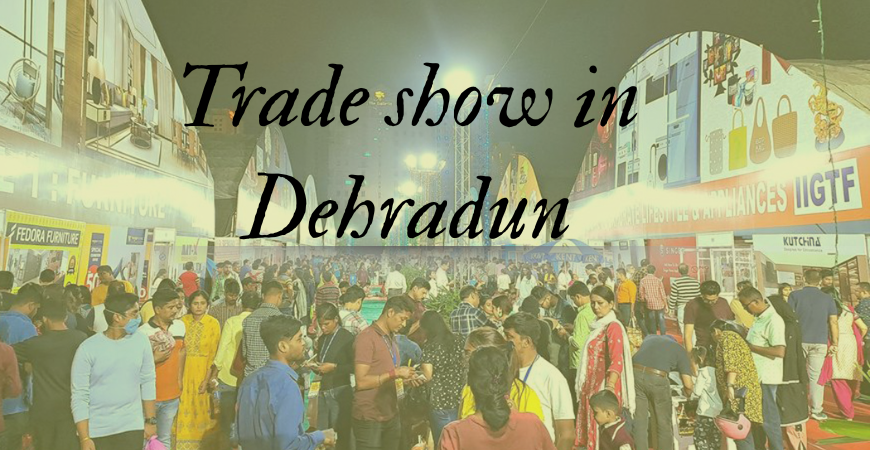
A trade show in Dehradun is not something you simply visit and forget. It is an experience that slowly unfolds as you walk through colourful stalls, hear different languages, smell food from across the country, and interact with people who bring stories along with their products.
Set against the calm and scenic backdrop of Dehradun, the fair feels welcoming from the very first step. The city’s natural charm adds warmth to the event, making visitors feel relaxed, curious, and open to exploration.
What makes this experience truly meaningful is the way the fair is organised. Hosted by India Global Grand Trade Fair (IGGTF) in association with the Bharat Chamber of Commerce, the event carries a sense of purpose, professionalism, and inclusivity that visitors can genuinely feel.
Whether someone comes to shop, explore culture, enjoy food, or simply spend quality time with family, the trade fair creates memories that last well beyond the event days.
Why Dehradun Is Becoming A Preferred Trade Fair Destination
Dehradun has steadily evolved into a city that naturally supports large exhibitions and public events. Its location, climate, and visitor-friendly environment make it an ideal host for a well-attended trade fair. These factors together create a strong foundation for long-term exhibition success.
1. Strategic Location And Easy Connectivity
One of the biggest reasons Dehradun is emerging as a popular destination for exhibitions is its strategic location. Situated close to major North Indian states, the city enjoys strong road and rail connectivity. Visitors from Delhi NCR, Uttar Pradesh, Haryana, Punjab, and Himachal Pradesh can reach the city comfortably without long travel fatigue.
The presence of Jolly Grant Airport further enhances accessibility, especially for exhibitors and visitors coming from distant regions. This ease of movement plays a crucial role in increasing footfall at every trade show in Dehradun, making participation convenient for both businesses and the general public.
2. Pleasant Climate And Comfortable Environment
Unlike many cities where extreme weather affects visitor turnout, Dehradun offers a relatively pleasant climate for most of the year. This allows visitors to spend extended hours at the venue without discomfort. Walking through stalls, attending cultural programs, and enjoying food zones feels relaxed rather than exhausting.
This comfort factor significantly improves visitor engagement. People are more likely to explore thoroughly, interact with exhibitors, and return for multiple visits during the fair duration.
3. Balanced Urban Culture And Quality Footfall
Dehradun has a unique mix of residents—students, professionals, defence families, tourists, and local communities. This diversity creates balanced and quality footfall rather than random crowds. For exhibitors, this means meaningful interactions with potential buyers and business partners.
Because of this, a trade show in Dehradun often achieves both high attendance and better conversion, making it an ideal exhibition destination.
What A Trade Fair Truly Represents Today
Trade fairs today are no longer limited to buying and selling products. They have evolved into spaces of interaction, discovery, and learning where people engage with ideas as much as with goods. This modern role makes trade fairs relevant even in a digital-first world.
1. A Platform For Human Connection In A Digital Age
In an era dominated by online shopping and digital marketing, trade fairs bring back the importance of face-to-face interaction. Visitors get the opportunity to speak directly with sellers, understand products in detail, and build trust through conversation.
This personal connection makes the experience more authentic and memorable. At the international trade fair in Dehradun, visitors don’t just see products—they understand the people and stories behind them.
2. A Meeting Point Of Tradition And Innovation
Modern trade fairs beautifully blend tradition with innovation. On one side, visitors encounter handcrafted items, traditional textiles, and regional art forms. On the other, they discover new technologies, innovative startups, and modern lifestyle products.
This contrast creates curiosity and excitement. It allows visitors to appreciate India’s heritage while also experiencing its forward-looking spirit.
3. An Informal Learning And Discovery Space
Trade fairs also act as learning environments. Visitors unknowingly gain knowledge about new industries, sustainable products, government-supported initiatives, and emerging market trends simply by walking through different sections.
This educational value adds depth to the trade fair in Dehradun, making it more than just a shopping destination.
India Global Grand Trade Fair (IGGTF): Shaping Experiences, Not Just Events
The identity and quality of the fair are closely tied to its organiser. India Global Grand Trade Fair (IGGTF) brings vision, structure, and inclusivity to the event, ensuring it delivers value to every participant. Their approach focuses on long-term impact rather than short-term visibility.
1. A Vision Focused On Inclusive Growth
India Global Grand Trade Fair (IGGTF) is known for its inclusive approach to exhibitions. Instead of focusing only on large brands, IGGTF actively creates opportunities for MSMEs, startups, artisans, and self-help groups.
This inclusive vision ensures that the fair represents a wide spectrum of India’s economic and cultural landscape, giving visitors a richer and more meaningful experience.
2. Professional Planning And Visitor-Centric Design
Every trade fair organised by IGGTF reflects careful planning. From stall layout and visitor flow to safety measures and cultural scheduling, everything is designed with visitor comfort in mind.
At a trade show in Dehradun, this professional execution is clearly visible. The event feels organised without feeling rigid, lively without being chaotic.
3. Creating Long-Term Value Beyond The Event
IGGTF does not treat trade fairs as one-time events. Their focus is on building long-term value for exhibitors by helping them connect with new markets, understand customer preferences, and establish brand presence.
This long-term perspective strengthens the overall impact of the fair on businesses and the local economy.
Bharat Chamber Of Commerce: Adding Strength And Credibility
The association with an established industry body elevates the fair’s standing. Bharat Chamber of Commerce brings trust, governance, and industry reach, making the event more credible and impactful. This partnership strengthens both business participation and public confidence.
1. Institutional Support And Industry Trust
The association with the Bharat Chamber of Commerce adds significant credibility to the trade fair. As a respected industry body, the Chamber brings trust, governance standards, and industry participation to the event.
This institutional backing reassures exhibitors and visitors alike about the authenticity and seriousness of the platform.
2. Encouraging Meaningful Business Engagement
With the Chamber’s involvement, the trade fair in Dehradun becomes more than a retail exhibition. It evolves into a space where businesses explore partnerships, suppliers meet buyers, and discussions extend beyond immediate sales.
Such engagement strengthens the fair’s role as a trade and networking platform.
A Rich Display Of Products In Trade Show In Dehradun From Across India And Beyond
Product diversity is one of the strongest attractions of the fair. Visitors get to experience a wide range of offerings that reflect both India’s traditional strengths and its modern aspirations. This variety keeps the experience fresh and engaging.
1. Showcasing Regional Craftsmanship And Skills
One of the most attractive aspects of the fair is its representation of regional products. Visitors get to explore handicrafts, handlooms, and traditional goods created by artisans from different states.
Each product carries cultural significance, making shopping feel personal and meaningful.
2. Modern Products And Emerging Innovations
Alongside traditional items, the fair also showcases modern consumer goods, lifestyle products, and startup innovations. This combination ensures relevance for younger audiences and urban consumers.
The diversity keeps the trade show in Dehradun dynamic and engaging for all age groups.
Cultural Performances That Create Emotional Connection In Trade Show In Dehradun
Culture adds soul to the trade fair experience. Live performances transform the venue into a celebration rather than a commercial space. These moments help visitors emotionally connect with the event.
1. Celebrating India’s Cultural Diversity
Cultural programs are a defining feature of the fair. Folk dances, music performances, and regional art forms bring India’s diversity to life on a single stage.
These performances create emotional connections, allowing visitors to experience traditions beyond their own regions.
2. Cultural Evenings As Community Experiences
Evenings at the fair often turn into shared community moments. Families gather, visitors pause their shopping, and the atmosphere becomes festive and warm.
These moments often stay in visitors’ memories long after the trade show in Dehradun ends.
Shopping That Feels Personal And Rewarding In Trade Show In Dehradun
Shopping at a trade fair is driven by interaction and trust rather than impulse. Visitors feel more confident about their purchases because they understand the product and the person behind it. This makes the experience deeply satisfying.
1. Direct Interaction With Sellers And Artisans
Unlike malls or online platforms, trade shows allow direct communication between buyers and sellers. Visitors ask questions, understand materials, and sometimes even see live demonstrations.
This transparency builds trust and satisfaction.
2. Better Pricing And Authentic Products
Because many exhibitors sell directly, prices are often more reasonable. Visitors frequently report savings of up to 30–40% on certain products.
This value-for-money experience makes shopping at the trade show in Dehradun highly rewarding.
Food Courts That Bring People Together
Food adds comfort and joy to the overall experience. The food court is not just a dining area—it is where visitors relax, connect, and recharge. It plays a key role in extending visitor stay time.
1. A Culinary Tour Across Regions
Food courts at the fair offer a wide variety of regional cuisines and popular street food. Visitors enjoy tasting flavours from different states without leaving the venue.
This diversity adds excitement and comfort to the experience.
2. A Social And Relaxation Space
The food area becomes a natural resting and social zone. Conversations flow, families relax, and visitors recharge before continuing their exploration.
Entertainment And Activities For Every Generation
Entertainment ensures that the fair appeals to all age groups. Thoughtfully designed activities keep children engaged and adults entertained, making the event a complete family outing.
1. Engaging Children And Young Visitors
Children enjoy amusement rides, games, and interactive zones that keep them engaged and happy throughout the visit.
This makes the fair family-friendly and stress-free for parents.
2. Live Shows And Performances For Adults
Adults enjoy live music, cultural shows, and interactive events that add entertainment value beyond shopping.
These activities ensure that the trade show in Dehradun feels like a complete outing rather than a routine visit.
Opportunities For Businesses, MSMEs, And Startups In Trade Show In Dehradun
For businesses, the fair offers real-world exposure that digital platforms often fail to deliver. It allows brands to test markets, receive feedback, and build visibility in a short span of time.
1. Real-Time Market Feedback
Trade fairs allow businesses to observe customer reactions directly. This immediate feedback helps them improve products and pricing strategies.
2. Brand Visibility And Lead Generation
For many MSMEs and startups, the fair becomes a powerful branding platform. Direct exposure to thousands of visitors helps build recognition and trust quickly.
Impact On Local Economy And Tourism
The trade fair’s influence extends beyond the venue. It contributes to the city’s economic activity and strengthens its image as a destination for events and tourism.
1. Boosting Local Businesses And Services
Hotels, transport providers, restaurants, and local vendors benefit from increased demand during the fair period.
This economic activity supports livelihoods across the city.
2. Encouraging Event-Based Tourism
Visitors often extend their stay to explore nearby destinations, indirectly promoting tourism and strengthening Dehradun’s image as an event-friendly city.
Well-Organised, Safe, And Visitor-Friendly Environment
A smooth visitor experience depends on organisation and safety. The fair’s management ensures that visitors feel secure, comfortable, and welcome throughout their visit.
1. Strong Safety And Crowd Management
Security arrangements, medical facilities, and clear navigation ensure visitor safety throughout the event.
2. Comfort And Accessibility For All Visitors
Cleanliness, seating areas, and organised layouts make the fair accessible and comfortable for senior citizens and families as well.
Conclusion
The trade show in Dehradun stands as a shining example of how exhibitions should be organised—with purpose, inclusivity, and vision. Led by India Global Grand Trade Fair (IGGTF) and strengthened by the association with the Bharat Chamber of Commerce, the fair delivers value to visitors, businesses, and the city alike.
It is not just an event on the calendar. It is a platform that supports trade, celebrates culture, and brings people together.
For anyone who visits, the experience feels complete, fulfilling, and memorable—truly a lifetime experience worth cherishing.