
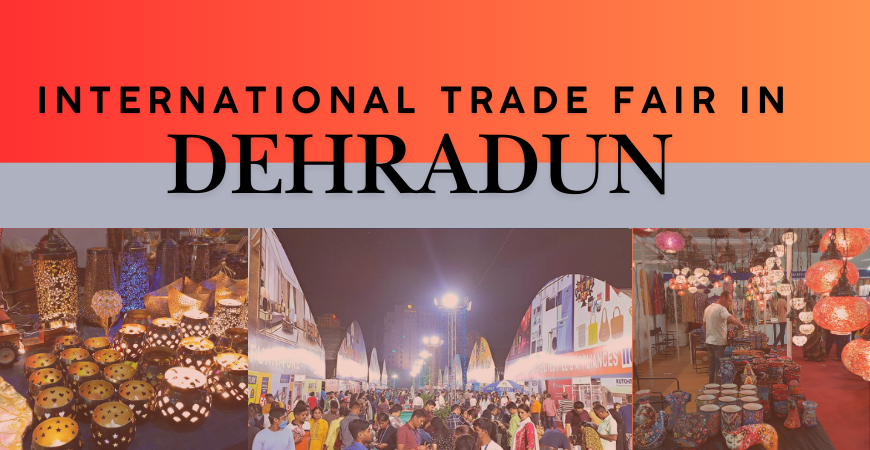
The International Trade Fair in Dehradun has become a very important platform for trade in Dehradun and across North India. Nestled in the scenic foothills of the Himalayas, Dehradun has long been known for education, tourism, and natural beauty. In recent years, however, it has begun carving a new identity—one that blends global commerce with regional opportunity.
The global trade fair in Dehradun brings together entrepreneurs, manufacturers, exporters, policymakers, and consumers under one expansive roof. It is more than an exhibition of products; it is a meeting ground for ideas, partnerships, and future-ready business strategies. The city’s growing infrastructure, combined with Uttarakhand’s business-friendly environment, makes it an ideal host for a globally focused trade event.
This huge trade event in Dehradun has been organised by India Global Grand Trade Fair(IGGTF) in association with the Bharat Chamber of Commerce, this event reflects India’s ambition to strengthen international trade ties while empowering domestic industries. Whether you are a startup founder, an established exporter, or a visitor eager to explore global products, the International trade fair in Dehradun offers something meaningful at every level.
Why Dehradun Is Becoming a Strategic Trade Destination
Dehradun’s transformation into a business-friendly city did not happen overnight. Its strategic location between the plains of North India and the Himalayan region gives it access to multiple economic corridors. Improved road connectivity, proximity to Delhi NCR, and expanding logistics networks have made Dehradun increasingly attractive for national and international events.
The trade fair in Dehradun benefits immensely from this geographical advantage. Businesses from northern states such as Uttar Pradesh, Haryana, Punjab, and Himachal Pradesh find it easy to participate, while international exhibitors appreciate the city’s accessibility and calm environment. Unlike overcrowded metro cities, Dehradun offers a more relaxed yet professional setting, allowing meaningful interactions rather than rushed transactions.
Another factor contributing to Dehradun’s rise is Uttarakhand’s focus on ease of doing business. According to government data, the state has consistently improved its ranking in business reforms, offering incentives for MSMEs, exporters, and foreign investors. These policy-level efforts create a strong foundation for large-scale events like the International trade fair to thrive.
The Vision Behind the International Trade Fair in Dehradun
At its core, the International trade fair in Dehradun is built around a clear vision—to bridge local potential with global demand. The fair is not limited to showcasing finished products; it emphasizes processes, innovations, supply chains, and collaborations that define modern trade.
Organized by the India Global Grand Trade Fair in association with the Bharat Chamber of Commerce, the event aligns with national initiatives such as “Make in India,” “Vocal for Local,” and export promotion programs. These initiatives aim to strengthen India’s position in global trade while ensuring that regional businesses are not left behind.
The fair’s structure reflects this inclusive approach. Large corporations share space with startups, artisans, and MSMEs, creating a balanced ecosystem. International exhibitors bring global trends, while Indian businesses showcase cost-effective manufacturing, innovation, and scalability. This two-way exchange is what makes the International trade fair a true global business hub.
A Platform That Goes Beyond a Trade Fair And Exhibition
While many events claim to be business expos, the global trade fair in Dehradun stands apart as a comprehensive Trade Fair And Exhibition experience. It integrates commerce, culture, knowledge-sharing, and networking into a single platform.
Visitors don’t just walk through stalls; they engage with stories behind the products. Exhibitors demonstrate how their offerings are made, sourced, and customized for different markets. Live demonstrations, interactive sessions, and curated displays make the experience immersive rather than transactional.
Educational elements also play a key role. Panel discussions on export regulations, digital trade, sustainability, and market trends provide practical insights for businesses at different stages. For first-time exhibitors, this exposure can be transformational, helping them understand how global trade really works beyond theory.
Industries and Sectors Represented at the Fair
The trade fair in Dehradun features a diverse mix of industries, reflecting both global demand and regional strengths. Manufacturing, textiles, handicrafts, agriculture, food processing, wellness, renewable energy, technology, and consumer goods all find representation.
India’s handicraft and handloom sector, which employs over 7 million artisans according to official estimates, receives special attention. Dehradun’s fair provides artisans with direct access to buyers, eliminating intermediaries and increasing profit margins. This direct-to-market approach aligns with global trends favoring ethical and transparent sourcing
International Participation and Global Exposure
One of the defining features of the International trade fair in Dehradun is its growing international presence. Exhibitors from Asia, Europe, the Middle East, and Africa participate to explore Indian markets and build partnerships.
International Trade Fairs globally are known to boost export inquiries by up to 30–40% for participating businesses, according to trade promotion studies. The Dehradun fair follows this trend by offering structured B2B meetings, buyer-seller meets, and embassy-supported delegations.
For Indian businesses, this exposure reduces the cost and complexity of entering global markets. Instead of traveling abroad, they can meet international buyers on home ground. For foreign exhibitors, the fair offers insights into India’s diverse consumer base and regional market dynamics.
Why Businesses Search for a “Trade Fair near me”
The phrase Trade Fair near me has become increasingly popular among entrepreneurs and consumers alike. It reflects a shift toward localized opportunities that still offer global reach. The trade fair in Dehradun perfectly fits this need.
For businesses in North India, attending the fair eliminates high logistics costs associated with distant metros. For local consumers, it provides access to international products without the premium pricing typically seen in urban malls.
This accessibility increases footfall, engagement, and conversion rates for exhibitors. It also strengthens Dehradun’s reputation as a city capable of hosting large-scale international events, encouraging more such initiatives in the future.
Economic Impact on Dehradun and Uttarakhand
The economic ripple effect of the International trade fair in Dehradun extends far beyond the exhibition halls. Hospitality, transportation, local vendors, and service providers all benefit from increased activity during the event.
Studies on trade fairs suggest that for every rupee spent by exhibitors and visitors, local economies can see a multiplier effect of up to 2.5 times. Hotels experience higher occupancy rates, local transport services see increased demand, and small businesses gain visibility through associated events and promotions.
More importantly, the fair positions Dehradun as an emerging economic node, attracting future investments and business events. This long-term impact is what transforms a trade fair into a development catalyst.
Knowledge Exchange and Skill Development
The International trade fair in Dehradun is also a learning platform. Workshops on export documentation, quality standards, digital branding, and logistics help businesses improve their operational readiness.
For students and young professionals, the fair offers exposure to real-world business environments. Interacting with entrepreneurs, observing negotiations, and understanding market dynamics provide insights that classrooms often cannot.
This focus on knowledge exchange ensures that the benefits of the fair extend beyond immediate sales, contributing to skill development and capacity building in the region.
Sustainability and Responsible Trade
Modern trade is incomplete without sustainability, and the International trade fair in Dehradun acknowledges this reality. Many exhibitors emphasize eco-friendly packaging, ethical sourcing, and energy-efficient production methods.
India’s sustainable product market is projected to grow at over 12% annually, driven by global demand for responsible goods. By highlighting sustainable practices, the fair aligns local businesses with international expectations, improving their export potential.
Discussions around circular economy models, waste reduction, and green logistics further reinforce the fair’s commitment to responsible trade.
Cultural Exchange as a Business Advantage
Trade fairs are not just about products; they are about people. The International trade fair in Dehradun integrates cultural performances, regional cuisines, and art displays to create a welcoming atmosphere.
This cultural dimension helps build trust—a critical factor in international business. Buyers are more likely to engage with brands when they understand the cultural context behind them. The fair’s inclusive environment fosters connections that go beyond contracts, leading to long-term partnerships.
The Role of Digital Integration
Digital tools play an increasingly important role in enhancing the International Trade Fair in Dehradun. Online registrations, virtual catalogs, and digital matchmaking platforms help exhibitors and visitors plan their interactions effectively.
Hybrid elements ensure that even those unable to attend physically can engage with the fair. This digital integration expands the event’s reach and aligns it with global best practices seen at leading International Trade Fairs worldwide.
Preparing for trade fair 2026
Looking ahead, trade fair 2025 is expected to be even more impactful, with increased international participation and advanced digital features. Businesses planning to participate can start by refining their product offerings, strengthening branding, and aligning with global quality standards.
Early preparation allows exhibitors to maximize visibility, schedule meaningful meetings, and leverage marketing opportunities associated with the fair. As global competition intensifies, proactive participation in events like the International trade fair in Dehradun becomes a strategic necessity rather than an option.
Why the International trade fair in Dehradun Matters Today
In a rapidly changing global economy, platforms that connect local strengths with global opportunities are invaluable. The International trade fair in Dehradun serves exactly this purpose, offering businesses a gateway to growth, learning, and collaboration.
It is a space where ideas are exchanged, partnerships are formed, and markets are explored. For Dehradun, it is a statement of ambition. For India, it is a step toward stronger global integration. And for businesses, it is an opportunity to be part of a larger, more connected future.
Role of Policy Support and Institutional Collaboration in Trade Growth
Strong policy backing and institutional collaboration play a crucial role in the success of large-scale trade events like the international Trade Fair in Dehradun. Government bodies, trade chambers, and industry associations provide the framework that ensures transparency, credibility, and long-term impact. Their involvement helps streamline regulatory processes, encourages international participation, and creates a structured environment where businesses can operate with confidence.
Government Initiatives Supporting Trade and Export Promotion
National and state-level trade initiatives actively support businesses participating in international trade fairs. Incentives such as export subsidies, participation grants, and market development assistance reduce the financial burden on MSMEs and first-time exporters. These initiatives make the international trade fair in Dehradun more accessible and encourage wider participation across industries.
Role of Trade Chambers and Industry Bodies
Trade chambers and industry bodies act as bridges between businesses and policymakers. Their presence at the fair ensures that exhibitors receive guidance on compliance, export documentation, and international trade standards. This support transforms the fair from a simple exhibition into a strategic business platform where companies gain both visibility and direction.
Building Confidence Among Global Buyers and Investors
Institutional involvement increases trust among international buyers and investors. When a trade fair is supported by recognized organizations, it signals reliability and professionalism. This confidence plays a key role in converting initial interactions into long-term partnerships, reinforcing the international trade fair in Dehradunas, a credible global business destination.
Connecting Local Enterprises with Global Markets
This trade fair in Dehradun creates a powerful bridge between regional businesses and international buyers. Local manufacturers, startups, and service providers gain direct exposure to global trends, partnerships, and export opportunities—all under one roof.
Driving Innovation, Investment, and Collaboration
Beyond exhibitions, the fair encourages knowledge exchange, cross-border collaboration, and investor engagement. It helps Dehradun emerge as a strategic destination for innovation-led growth and global commerce.
Conclusion
The international trade fair in Dehradun is more than just another business event — it’s a vibrant step toward inclusive, sustainable global trade. It showcases a new era of Indian commerce that feels bold, collaborative, and ready for the world stage.
As Dehradun evolves from a peaceful hill city into a rising business destination, this fair has become a powerful symbol of growth and opportunity. For exhibitors, visitors, and policymakers, the international trade fair in Dehradun is not only about business deals — it’s about fresh ideas, meaningful connections, and a shared vision for progress and possibility.