
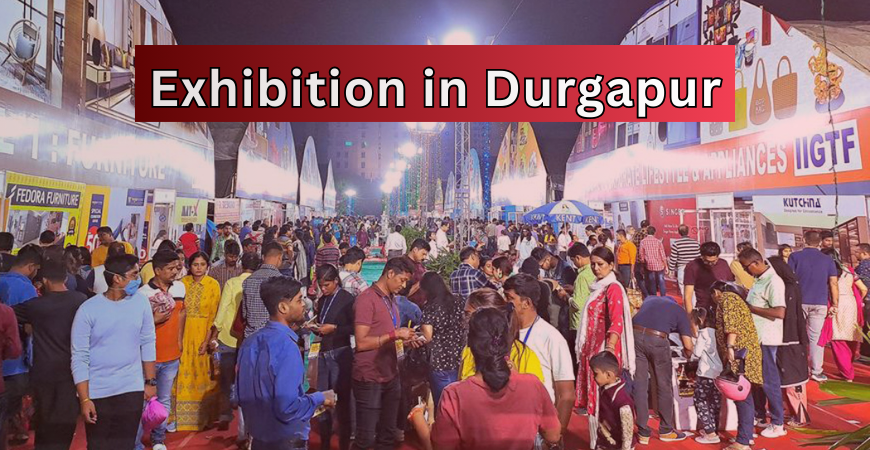
The Exhibition in Durgapur has evolved into a vibrant platform where trade, culture, and innovation meet. Located in West Bengal’s industrial hub, it attracts diverse participants and visitors from across eastern India.
It is more than just a marketplace. The exhibition encourages meaningful business interactions while showcasing regional craftsmanship alongside national brands. India Global Grand Trade Fair has Organized a grand trade fair in Durgapur, it reflects Durgapur’s growing role as a center for economic and cultural exchange.
The Evolution of Exhibition Culture in Durgapur
From Industrial City to Exhibition Destination
Durgapur’s transformation into an exhibition hub did not happen overnight. Historically, the city was built around heavy industries and public sector undertakings. Trade interactions were mostly B2B, limited to industrial procurement and institutional buyers. Over time, as private enterprise expanded and consumer markets grew, the need for broader trade platforms became evident.
The exhibition in Durgapur began filling this gap. Early exhibitions were modest, often sector-specific, focusing on handicrafts, machinery, or consumer goods. As footfall increased and exhibitors saw measurable returns, the scale and ambition of these events expanded.
The Role of Organized Trade Fairs
With professional organizers like the India Global Grand Trade Fair stepping in, exhibitions gained structure and credibility. Layout planning, exhibitor curation, visitor engagement activities, and marketing outreach became more systematic. This shift helped exhibitions move from temporary bazaars to professionally managed trade platforms.
Today, exhibitions in Durgapur often include dedicated zones—business pavilions, cultural spaces, food courts, innovation showcases, and startup corners. This structured approach enhances visitor experience while increasing dwell time, which directly benefits exhibitors.
Why Exhibition in Durgapur Matters for Modern Trade
A Bridge Between Regional and National Markets
One of the strongest advantages of the Exhibition in Durgapur is its ability to connect regional businesses with national exposure. Many small manufacturers and artisans from rural Bengal lack access to large metropolitan trade fairs due to cost and logistics. Durgapur offers a middle ground—professional exposure without metropolitan expenses.
For buyers, this means access to authentic regional products at competitive prices. For sellers, it means visibility beyond their local markets. Over time, these interactions often evolve into long-term supply relationships.
Supporting MSMEs and Startups
India’s MSME sector contributes nearly 30% to the national GDP, according to government estimates. Exhibitions play a crucial role in this ecosystem by offering direct market access. In Durgapur, exhibitions often see strong participation from first-time exhibitors—small businesses testing their products and pricing strategies.
These platforms also encourage innovation. Startups use exhibitions to validate ideas, collect feedback, and refine offerings. The relatively informal environment allows experimentation without the high stakes associated with larger national fairs.
Cultural Significance of Exhibition in Durgapur
Celebrating Local Art, Craft, and Heritage
Beyond commerce, the exhibition in Durgapur serves as a cultural mirror. Handloom textiles, terracotta art, dokra metalwork, and folk paintings frequently find space alongside modern consumer products. This coexistence reflects the city’s identity—rooted in tradition yet open to change.
Cultural performances, food festivals, and craft demonstrations add emotional value to the exhibition experience. Visitors don’t just shop; they engage, learn, and connect. This emotional engagement often translates into higher appreciation for indigenous products.
Food as a Cultural Connector
Food courts at exhibitions in Durgapur are more than refreshment zones. They act as cultural storytellers. From traditional Bengali sweets to street food from other states, these spaces encourage exploration. For many visitors, food becomes the entry point into broader cultural appreciation.
Business Opportunities Created by Exhibition in Durgapur
Direct Customer Interaction
Unlike online marketplaces or distributor-based sales, exhibitions allow face-to-face engagement. Exhibitors can observe customer reactions, answer questions instantly, and build trust. This human interaction is especially valuable for high-involvement products such as handcrafted items, specialty foods, and customized services.
Brand Building Beyond Sales
While sales are important, many exhibitors view the Exhibition in Durgapur as a branding opportunity. Repeated presence builds recall. Over time, visitors begin to recognize brands, associate them with quality, and seek them out even outside the exhibition environment.
Trade Fair Infrastructure and Visitor Experience
Planning and Layout Design
Modern exhibitions in Durgapur emphasize thoughtful layout design. Wide aisles, thematic zones, and clear signage improve navigation. This not only enhances visitor comfort but also ensures equitable visibility for exhibitors.
Professional lighting, ventilation, and security arrangements contribute to a positive experience, encouraging longer visits and repeat attendance.
The Role of Trade Show Displays
Effective Trade Show Displays play a crucial role in attracting attention within crowded exhibition halls. Exhibitors increasingly invest in visual merchandising, interactive demos, and storytelling elements. These displays help brands stand out while communicating value clearly to diverse audiences.
Networking and Relationship Building
Beyond Transactions
One of the most underestimated aspects of exhibitions is networking. The Trade Fair Networing environment in Durgapur allows businesses to connect not just with customers, but also with suppliers, distributors, and collaborators. Casual conversations often lead to unexpected partnerships.
Knowledge Exchange
Exhibitions also act as informal knowledge hubs. Business owners observe competitor strategies, pricing trends, and product innovations. This exposure helps them adapt and evolve, making exhibitions a learning experience as much as a commercial one.
The Growing Importance of Trade Fair And Exhibition Platforms
As digital marketing becomes crowded and expensive, physical exhibitions are regaining importance. They offer authenticity—something algorithms cannot replicate. In cities like Durgapur, where trust and personal relationships matter deeply, exhibitions provide unmatched value.
Organizers now integrate digital elements such as QR codes, online catalogs, and social media engagement, creating hybrid experiences without losing the human touch.
Looking Ahead: What’s Next for Exhibition in Durgapur
The Rise of upcoming trade fair in Durgapur
The calendar for the upcoming trade fair in Durgapur continues to expand, reflecting growing demand from both exhibitors and visitors. New themes such as sustainability, renewable energy, smart manufacturing, and women-led enterprises are being introduced to keep exhibitions relevant.
Exposure to International Trade Fairs
While local in location, exhibitions in Durgapur increasingly draw inspiration from International Trade Fairs. Global layout standards, exhibitor diversity, and visitor engagement strategies are slowly being adopted, raising the overall quality of events.
Economic Impact of Exhibition in Durgapur on the Region
Driving the Local Economy Beyond the Exhibition Grounds
The economic influence of the Exhibition in Durgapur extends far beyond the exhibition venue itself. When a large trade fair is organized, it triggers a chain reaction across multiple sectors. Hotels experience higher occupancy, local transport services see increased demand, restaurants and street vendors benefit from visitor footfall, and temporary employment opportunities are created for logistics, security, housekeeping, and event support staff.
According to industry estimates, mid-scale trade fairs in tier-2 cities can generate indirect economic activity worth 3 to 5 times the direct revenue earned from stall bookings. In Durgapur, where exhibitions often run for multiple days and attract visitors from neighboring districts, this multiplier effect becomes even more significant.
Local shop owners frequently report increased sales during exhibition periods, particularly in areas close to the venue. This ripple effect strengthens the city’s micro-economy and reinforces the importance of exhibitions as economic catalysts rather than isolated events.
Employment and Skill Development Opportunities
Another overlooked benefit of exhibitions is temporary and semi-permanent employment generation. The Exhibition in Durgapur ecosystem involves event planners, electricians, carpenters, graphic designers, promoters, and digital marketers. Many young professionals and freelancers gain hands-on experience through these events, improving employability.
Students from nearby colleges often take up part-time roles during exhibitions, learning customer interaction, sales techniques, and event coordination. These real-world experiences add value beyond classroom education and contribute to skill development at the grassroots level.
India Global Grand Trade Fair: Shaping the Exhibition Landscape
A Structured Approach to Trade and Culture
The involvement of the India Global Grand Trade Fair has played a defining role in elevating the quality and scale of the Exhibition in Durgapur. Rather than focusing only on stall occupancy, the approach emphasizes curated participation. Exhibitors are selected to ensure diversity across sectors—manufacturing, FMCG, handicrafts, technology, lifestyle, and services.
This structured curation ensures that visitors encounter a balanced mix of products and ideas, making the exhibition engaging rather than overwhelming. It also helps exhibitors reach relevant audiences, improving conversion rates and business outcomes.
Building Credibility and Trust
One of the biggest challenges in exhibition marketing is trust. When exhibitors invest time and money, they expect professionalism and return on investment. Events organized under the India Global Grand Trade Fair brand benefit from credibility built over years of organizing large-scale exhibitions across India.
This trust encourages repeat participation. Many businesses that exhibit once in Durgapur return year after year, often upgrading stall size or launching new products during subsequent editions.
Exhibition in Durgapur as a Platform for Market Testing
Understanding Consumer Preferences in Real Time
Market research can be expensive and time-consuming, especially for small businesses. The Exhibition in Durgapur offers an alternative—live, real-time consumer feedback. Exhibitors observe which products attract attention, which price points work, and what questions customers ask repeatedly.
This insight is invaluable. Businesses often refine packaging, pricing, and messaging based on exhibition interactions. In many cases, products that perform well at exhibitions later become bestsellers in retail or online channels.
Reducing Business Risk
By testing products at exhibitions before scaling production, businesses reduce financial risk. This is particularly relevant for handmade goods, specialty foods, and innovative products where demand is uncertain. The exhibition environment allows experimentation without long-term commitment.
Digital Integration in Modern Exhibitions
Blending Physical and Digital Experiences
While exhibitions remain physical by nature, digital integration is becoming essential. The Exhibition in Durgapur increasingly incorporates QR-based catalogs, digital payment systems, and social media engagement tools. These elements enhance convenience for visitors while providing data insights to exhibitors.
Digital lead capture allows businesses to follow up with potential customers long after the exhibition ends, extending the value of participation. This hybrid approach ensures exhibitions remain relevant in an increasingly digital economy.
Social Media Amplification
Exhibitions today are not limited to on-ground audiences. Visitors frequently share photos, videos, and reviews online, organically promoting the event. For exhibitors, this creates additional visibility without extra marketing spend.
Organizers encourage hashtags, influencer visits, and live coverage to amplify reach. Over time, this digital footprint strengthens the brand identity of the Exhibition in Durgapur itself.
Visitor Experience: Why People Keep Coming Back
More Than Shopping
Visitors don’t attend exhibitions only to buy products. They come for discovery, entertainment, and inspiration. The Exhibition in Durgapur caters to this mindset by offering variety—products, performances, workshops, and food experiences.
Families view exhibitions as weekend destinations. Young professionals see them as networking opportunities. Entrepreneurs treat them as learning platforms. This multi-layered appeal ensures consistent footfall across age groups.
Accessibility and Comfort
Compared to exhibitions in metropolitan cities, Durgapur offers a more relaxed experience. Shorter travel times, manageable crowd density, and affordable pricing make exhibitions accessible to a wider audience. This comfort factor plays a major role in repeat attendance.
Comparing Exhibition in Durgapur with Metro City Trade Fairs
Cost Efficiency for Exhibitors
Participating in metro city exhibitions often involves high stall costs, accommodation expenses, and intense competition. The Exhibition in Durgapur offers a cost-effective alternative without compromising on quality audience engagement.
For emerging brands, this balance between affordability and exposure is crucial. Many businesses strategically choose Durgapur as their entry point into the exhibition circuit before expanding to larger cities.
Quality of Engagement Over Quantity
While metro exhibitions may attract larger crowds, engagement levels can be lower due to sheer volume. In Durgapur, exhibitors often experience longer, more meaningful interactions with visitors. This quality engagement leads to higher conversion rates and stronger brand recall.
Sustainability and Responsible Exhibitions
Moving Towards Eco-Conscious Practices
Sustainability is gradually becoming part of the exhibition conversation. Organizers of the exhibition in Durgapur are adopting measures such as reduced plastic usage, energy-efficient lighting, and waste management practices.
Exhibitors, too, are becoming conscious of sustainable packaging and ethical sourcing. These efforts align with global exhibition trends and resonate with environmentally aware consumers.
Supporting Ethical and Local Businesses
By providing space to local artisans and small manufacturers, exhibitions promote ethical consumption. Visitors are encouraged to support businesses that prioritize craftsmanship, fair wages, and responsible production.
Preparing for the Future of Exhibition in Durgapur
Expanding Sector Representation
Future editions of the Exhibition in Durgapur are expected to include more specialized sectors such as renewable energy, agri-technology, healthcare innovations, and smart manufacturing. These additions will attract professional visitors and institutional buyers, further strengthening the exhibition’s relevance.
Strengthening Global Connections
As India’s trade ecosystem becomes more globally connected, exhibitions in tier-2 cities will play an important role in decentralizing opportunity. Exposure to International Trade Fairs standards prepares local businesses for global markets, even if they operate primarily within India.
Collaborations with international exhibitors, export promotion councils, and foreign trade bodies could transform Durgapur into a recognized trade destination beyond eastern India.
Challenges and the Road Ahead
Infrastructure and Scalability
While progress has been impressive, challenges remain. Venue capacity, parking facilities, and traffic management require continuous improvement to support growing visitor numbers. Addressing these concerns will be critical to sustaining long-term growth.
Maintaining Quality and Authenticity
As exhibitions grow larger, maintaining quality becomes essential. Curated participation, strict exhibitor guidelines, and visitor-centric planning will help preserve the authenticity that makes the Exhibition in Durgapur successful.
Conclusion
The exhibition in Durgapur is no longer just an event—it is a living ecosystem that supports trade, celebrates culture, and fuels economic growth. Organized under the India Global Grand Trade Fair, it reflects the evolving aspirations of businesses and communities alike.
By blending regional identity with national and global perspectives, these exhibitions create meaningful value for exhibitors and visitors. They offer opportunity without intimidation, growth without excessive risk, and learning without barriers.
As Durgapur continues its journey as a trade and cultural hub, exhibitions will remain at the heart of its transformation. Not as temporary gatherings, but as powerful platforms where ideas are exchanged, relationships are built, and the future of commerce quietly takes shape.