
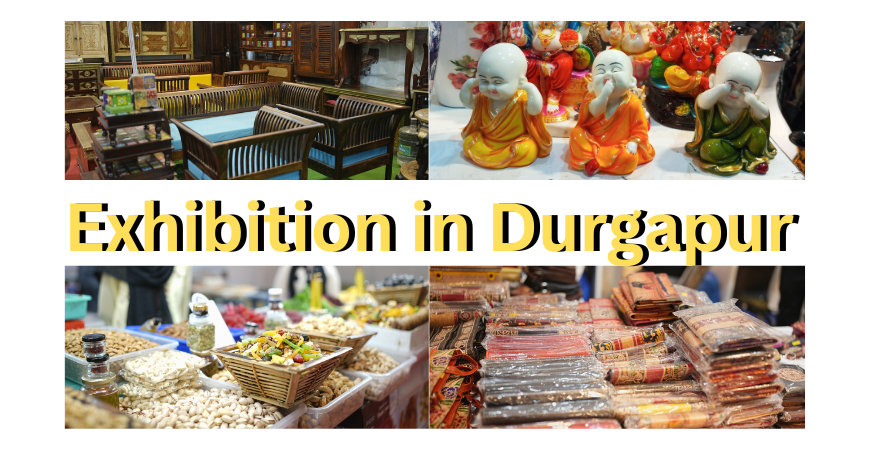
The business exhibition in Durgapur is no longer just a gathering of stalls and banners. It has evolved into a powerful marketplace where businesses connect, negotiate, and close real deals.
Durgapur’s growing industrial identity has made it a preferred destination for brands looking beyond metro cities. From manufacturing units to service providers, the city now attracts serious business attention.
What makes this transformation remarkable is how exhibitions here combine affordability, accessibility, and opportunity—creating an ecosystem where both emerging and established brands thrive together.
This article explores how business exhibitions in Durgapur are reshaping commercial growth, showcasing new deals, and unlocking long-term value for exhibitors and visitors alike.
The Rise of Business Exhibitions in Durgapur
Over the last decade, Durgapur has steadily transitioned from an industrial township to a regional commercial hub. This shift has naturally increased the importance of every business exhibition in Durgapur as a catalyst for business engagement. Unlike metro-centric events, exhibitions here focus on practical outcomes—real buyers, real sellers, and real conversations.
One key reason for this rise is Durgapur’s strategic location. Positioned between Kolkata and key districts of West Bengal, Jharkhand, and Bihar, the city acts as a meeting point for businesses targeting eastern India. According to regional trade data, nearly 62% of small and medium enterprises in eastern India prefer participating in tier-2 city exhibitions due to lower costs and higher engagement rates.
Business exhibitions in Durgapur are also driven by sector diversity. Engineering, FMCG, real estate, education, healthcare, retail, and technology brands find equal relevance here. This cross-industry presence ensures that exhibitions are not niche-bound but commercially dynamic.
Another contributing factor is government and institutional support. Local trade bodies and chambers of commerce actively promote exhibitions as tools for MSME development. As a result, exhibitors often benefit from structured footfall, curated B2B meetings, and targeted promotion—features once limited to metro trade fairs.
Showcasing New Deals: The Core Purpose of Modern Exhibitions
The primary goal of any business exhibition in Durgapur today is deal discovery. Businesses no longer participate merely for visibility; they come prepared to negotiate partnerships, onboard distributors, and finalize bulk orders. This deal-driven mindset has changed how exhibitions are designed and executed.
Exhibitors increasingly focus on showcasing exclusive offers, limited-period pricing, and exhibition-only deals. These incentives encourage visitors to engage immediately rather than postponing decisions. Studies in trade marketing show that face-to-face deal closure rates are nearly 40% higher at exhibitions compared to digital outreach.
For buyers, exhibitions serve as comparison platforms. Instead of reaching out to multiple vendors individually, they can evaluate products, pricing, and service quality under one roof. This efficiency significantly shortens the buying cycle.
Importantly, Durgapur exhibitions are witnessing a rise in regional distribution deals. Many brands use these platforms to appoint area-wise dealers or franchise partners. The ability to assess a partner’s seriousness through direct interaction adds trust and transparency to the process.
Business-Friendly Environment of Durgapur Exhibitions
A major advantage of participating in a business exhibition in Durgapur is the business-friendly environment it offers. Unlike overcrowded metro exhibitions, here conversations are longer, interactions are deeper, and decision-makers are more accessible.
Exhibitors often report higher-quality leads rather than high-volume footfall. This distinction matters because meaningful leads translate into measurable revenue. The average exhibitor conversion rate in tier-2 city exhibitions is estimated at 18–22%, compared to 10–12% in large metropolitan events.
The exhibition venues in Durgapur are also improving steadily. Better infrastructure, organized layouts, and professional event management ensure smoother experiences for both exhibitors and visitors. These improvements enhance brand perception and encourage repeat participation.
Moreover, local audiences attending exhibitions are highly intent-driven. Business owners, procurement managers, contractors, and entrepreneurs visit with specific needs rather than casual curiosity. This focused audience increases the likelihood of productive discussions.
Role of Exhibitions in Strengthening Regional Trade
Every business exhibition in Durgapur contributes directly to strengthening regional trade networks. These events act as physical marketplaces where supply meets demand without digital noise or algorithm dependency.
For manufacturers, exhibitions provide immediate market feedback. Product features, packaging, and pricing can be evaluated through live responses. This insight is invaluable, especially for brands planning regional expansion.
Retailers and wholesalers benefit by discovering new suppliers who are flexible, accessible, and regionally aligned. This reduces dependency on distant vendors and lowers logistics costs—an important consideration in today’s margin-sensitive markets.
Additionally, exhibitions support the informal yet powerful aspect of Indian trade—relationship-building. Many long-term business associations begin with a simple conversation at an exhibition stall, followed by months or years of collaboration.
Upcoming Opportunities and Trade Fair Momentum
With growing demand, the calendar for upcoming trade fair in Durgapur events is expanding rapidly. Organizers are curating sector-specific and multi-industry exhibitions to cater to different business needs.
These exhibitions increasingly align with International Trade Fairs, enabling local brands to understand global standards and practices. Exposure to international formats elevates presentation quality and operational professionalism among exhibitors.
Modern Trade Show Displays are also becoming a focus area. Brands now invest in structured layouts, digital screens, and interactive demonstrations to stand out. This shift enhances visitor engagement and strengthens recall value.
Another notable trend is enhanced Trade Fair Networing. Dedicated B2B sessions, networking lounges, and scheduled meetings are helping participants maximize outcomes beyond casual walk-ins.
Visitor Behavior and Buying Intent at Durgapur Exhibitions
One defining feature of a business exhibition in Durgapur is the intent-driven nature of its visitors. Unlike casual footfall seen in lifestyle expos, most attendees here arrive with clear objectives—sourcing vendors, comparing solutions, or identifying new business opportunities. This mindset fundamentally changes the quality of interaction between exhibitors and visitors.
Local surveys conducted by regional trade associations indicate that nearly 70% of visitors attending business exhibitions in Durgapur are decision-makers or influencers within their organizations. These include business owners, procurement heads, contractors, distributors, and startup founders. Such a focused audience ensures that conversations quickly move beyond introductions into pricing, customization, and delivery timelines.
Another behaviuoral trend is longer stall engagement. Visitors typically spend 8–12 minutes per booth, significantly higher than the national exhibition average of 4–6 minutes. This extended engagement allows exhibitors to explain product value in depth, conduct demonstrations, and understand client pain points—an advantage rarely available through digital channels.
Importantly, buyers at Durgapur exhibitions tend to prioritize trust and accessibility over brand fame. This levels the playing field for regional and emerging brands, allowing them to compete effectively with established players.
How MSMEs Benefit from Participating in Durgapur Exhibitions
For micro, small, and medium enterprises, a business exhibition in Durgapur functions as a launchpad rather than just a marketing activity. MSMEs often operate with limited budgets, making large metro exhibitions financially challenging. Durgapur exhibitions offer a cost-efficient alternative without compromising on business outcomes.
Participation costs—including stall rent, logistics, and accommodation—are typically 30–40% lower than metro events. This affordability allows MSMEs to invest more in product presentation and promotional materials. As a result, their booths appear competitive and professional.
Trade fair and exhibitions also help MSMEs overcome visibility barriers. Many small manufacturers and service providers struggle to reach distributors and bulk buyers through traditional sales channels. At exhibitions, these stakeholders come directly to them. Industry data suggests that nearly 55% of MSMEs secure at least one long-term client within three months of participating in a regional exhibition.
Beyond sales, MSMEs gain market intelligence. Observing competitor offerings, pricing strategies, and customer reactions provides insights that would otherwise require expensive market research. This learning directly influences product refinement and future growth strategies.
Networking That Translates into Business Growth
Effective networking is the backbone of every successful business exhibition in Durgapur. While digital platforms offer reach, exhibitions offer depth—something that remains irreplaceable in relationship-driven markets like India.
Networking here goes beyond exchanging business cards. Conversations often include discussions around collaboration models, supply chain optimization, and regional expansion. Many exhibitors find partners for joint ventures, dealership agreements, or project-based collaborations.
Structured networking initiatives are becoming common. Organizers now facilitate buyer-seller meets, industry roundtables, and informal evening interactions. These environments encourage open dialogue, leading to faster trust-building.
What makes networking in Durgapur particularly effective is the regional alignment of participants. Businesses often share similar market conditions, logistical realities, and customer expectations. This common ground accelerates compatibility and increases the likelihood of sustained partnerships.
Real Business Outcomes Beyond the Exhibition Floor
A business exhibition in Durgapur does not end when the stalls close. In fact, the most significant outcomes often materialize weeks or months later through follow-ups, negotiations, and repeat meetings.
Exhibitors commonly report conversion cycles ranging from immediate on-site deals to 60–90 day post-event closures. The presence of face-to-face interaction at the initial stage significantly shortens this cycle compared to cold outreach methods.
Another notable outcome is brand recall. Visitors who may not convert immediately often retain strong brand memory due to personal interaction. This recall translates into future inquiries, referrals, and repeat engagement.
Exhibitions also enhance credibility. Being present at a recognized business event signals seriousness and stability, especially for newer brands. This perceived legitimacy helps overcome initial trust barriers during subsequent negotiations.
Sector-Wise Impact of Durgapur Business Exhibitions
The influence of a business exhibition in Durgapur spans multiple sectors, each benefiting in unique ways. Manufacturing units leverage exhibitions to secure bulk orders and distributor tie-ups. Service providers—from logistics to digital solutions—use the platform to explain value propositions that are otherwise difficult to convey online.
Real estate exhibitors connect directly with investors and commercial buyers, while education institutions engage with parents, students, and corporate training partners. Healthcare and equipment suppliers benefit from live demonstrations, which build confidence in product quality and usability.
Retail-focused brands test new product lines and pricing strategies through direct consumer feedback. This immediate response helps refine offerings before large-scale launches.
The diversity of sectors creates a dynamic environment where cross-industry interactions flourish, opening doors to unconventional collaborations and bundled service offerings.
Why Businesses Keep Returning to Durgapur Exhibitions
Repeat participation is a strong indicator of value, and business exhibition in Durgapur events consistently witness high exhibitor retention rates. Businesses return because outcomes are measurable, interactions are meaningful, and costs remain reasonable.
Many exhibitors adopt a long-term exhibition strategy, participating annually to strengthen brand presence and deepen regional penetration. Over time, they transition from first-time participants to recognized names within the exhibition ecosystem.
This consistency builds trust among visitors, who begin associating certain brands with reliability and expertise. The cumulative effect is sustained growth rather than one-time gains.
Preparing for Success: How Businesses Maximize Exhibition ROI
Success at a business exhibition in Durgapur begins long before the event doors open. Businesses that treat exhibitions as strategic investments rather than routine promotions consistently achieve stronger results. Preparation plays a decisive role in determining whether participation leads to visibility alone or tangible business growth.
The first critical step is defining clear objectives. Some exhibitors aim to generate bulk orders, others seek distributors, while many focus on brand positioning in the regional market. Clear goals shape booth design, messaging, staffing, and follow-up strategy. Without this clarity, even high footfall may fail to convert into outcomes.
Product presentation is another major factor. Exhibitors who highlight problem-solving benefits rather than technical specifications tend to attract deeper engagement. Simple demonstrations, comparison charts, and real-use examples help visitors quickly understand value. In regional exhibitions, clarity consistently outperforms complexity.
Staffing decisions also matter. Having decision-makers or technically knowledgeable representatives at the stall significantly improves deal momentum. Visitors appreciate direct answers and authority, especially when discussing pricing, customization, or delivery timelines.
The Power of Follow-Ups After the Exhibition
The real impact of a business exhibition in Durgapur often unfolds after the event concludes. Businesses that implement structured follow-up systems consistently outperform those relying on memory or informal contact.
Industry studies show that 80% of exhibition leads require at least three follow-ups before conversion. Yet many exhibitors stop after the first interaction. Effective follow-up includes personalized communication, referencing discussions held at the stall, and addressing specific requirements shared by the visitor.
Digital tools now complement traditional follow-ups. WhatsApp catalogs, email proposals, virtual demos, and online meetings help maintain momentum. However, the foundation of trust established through face-to-face interaction remains the key conversion driver.
Timeliness is crucial. Following up within 7–10 days keeps the conversation fresh and signals professionalism. Businesses that delay often lose leads to competitors who act faster.
Data-Backed Impact of Regional Business Exhibitions
The measurable outcomes of a business exhibition in Durgapur extend beyond anecdotal success stories. Data from regional trade bodies reveals consistent economic and commercial benefits.
On average, exhibitors report lead acquisition costs that are 35–45% lower than digital advertising channels. Additionally, conversion quality tends to be higher because leads originate from intent-driven interactions rather than passive interest.
Visitor satisfaction surveys indicate that over 60% of attendees discover at least two new vendors worth engaging with post-event. This discovery aspect strengthens the exhibition’s role as a sourcing and comparison platform.
From a regional development perspective, exhibitions stimulate local commerce. Hospitality, transportation, printing, logistics, and temporary staffing services all experience demand surges during exhibition periods, reinforcing the broader economic ecosystem.
Future Outlook: Why Durgapur Is Emerging as an Exhibition Hub
Looking ahead, the relevance of a business exhibition in Durgapur is set to increase further. As businesses seek alternatives to saturated metro markets, tier-2 cities with strong industrial foundations are gaining preference.
Durgapur’s connectivity, growing infrastructure, and expanding business community position it well for sustained exhibition growth. Organizers are increasingly adopting technology-driven formats, including digital registrations, data-driven matchmaking, and hybrid engagement models.
There is also a noticeable shift toward theme-based and sector-focused exhibitions, allowing businesses to target specific audiences more effectively. This specialization enhances value for both exhibitors and visitors.
As regional markets become more competitive, exhibitions will continue to serve as trust-building platforms—something digital-only strategies struggle to replicate fully.
Why Participation Is No Longer Optional for Growing Businesses
For brands aiming to establish or strengthen their presence in eastern India, ignoring the business exhibition in Durgapur increasingly means missing out on qualified opportunities. These exhibitions compress months of outreach, meetings, and negotiations into a few focused days.
Businesses that participate regularly gain cumulative advantages: stronger brand recall, deeper market insight, and expanding professional networks. Over time, exhibitions become integral to their growth strategy rather than isolated marketing activities.
Importantly, exhibitions also humanize brands. In an era dominated by screens and automation, personal interaction restores trust, clarity, and confidence—factors that still drive major business decisions.
Conclusion
The business exhibition in Durgapur has evolved into a deal-making engine where visibility converts into value and conversations transform into collaborations. By bringing buyers, sellers, innovators, and decision-makers together, these exhibitions accelerate business outcomes that would otherwise take months to achieve.
From showcasing new deals to strengthening regional trade, the impact is both immediate and long-lasting. Businesses that approach exhibitions strategically—before, during, and after the event—unlock opportunities far beyond the exhibition floor.
As Durgapur continues to grow as a commercial nucleus, its business exhibitions will remain central to shaping regional success stories.