
Introduction
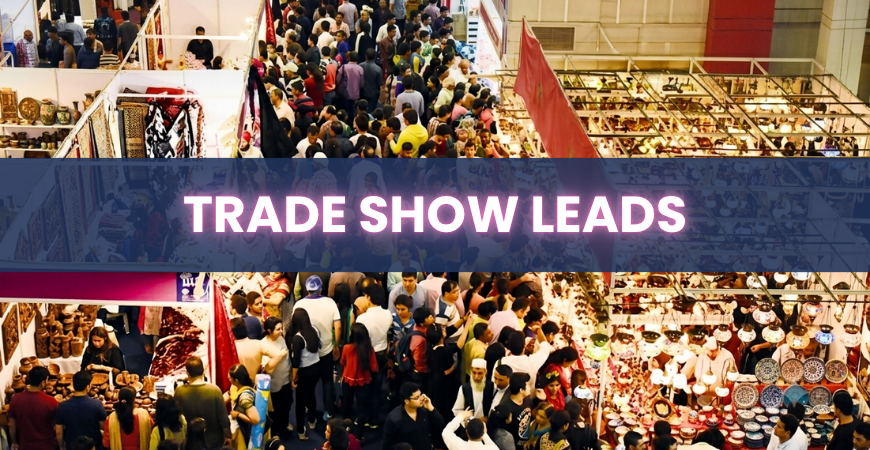
Trade show leads are among the most valuable opportunities businesses can generate through exhibitions, trade fairs, and industry events. Unlike many online channels, trade shows allow companies to engage directly with potential customers, understand their requirements, and build relationships that often lead to long-term business growth.
For startups, MSMEs, established brands, and entrepreneurs, exhibitions provide an environment where conversations happen face-to-face, products can be demonstrated live, and trust can be built much faster. However, attracting visitors to a booth is only the beginning. The real success lies in converting those visitors into paying customers.
Businesses participating in events such as the India Global Grand Trade Fair gain access to buyers, distributors, industry professionals, and decision-makers from diverse sectors. With the right strategy, companies can transform casual interactions into meaningful business opportunities and maximize the return on their exhibition investment.
What Are Trade Show Leads?
Trade show leads refer to potential customers who express interest in a company’s products or services during an exhibition, trade fair, or business event. These individuals may visit a booth, attend a demonstration, request information, exchange contact details, or engage in discussions about potential business opportunities.
Not every visitor is automatically a qualified lead. Businesses often categorize visitors into different groups based on their level of interest and buying intent.
Types of Trade Show Leads
| Lead Type | Characteristics | Priority |
|---|---|---|
| Hot Leads | Ready to purchase or discuss business immediately | High |
| Warm Leads | Interested but require more information | Medium |
| Cold Leads | Exploring options without immediate intent | Low |
Understanding these categories helps businesses allocate their time and resources more effectively.
Many companies focus solely on collecting a large number of contacts. However, quality often matters more than quantity. Fifty highly relevant prospects can deliver far greater value than hundreds of unqualified visitors.
Participating in a trade fair and exhibition environment offers businesses a unique opportunity to identify prospects who already have an interest in their industry, making lead generation more targeted and efficient.
Why Trade Show Leads Matter for Businesses
Lead generation remains one of the primary objectives for companies participating in exhibitions. Well-managed trade show leads can contribute significantly to revenue growth, customer acquisition, and brand visibility.
Direct Human Interaction
Trade fairs allow businesses to engage with prospects personally. Unlike digital marketing channels, visitors can ask questions, seek clarifications, and receive immediate responses.
Face-to-face interaction often accelerates trust-building because people feel more confident when they can interact directly with company representatives.
Higher Purchase Intent
Visitors attending exhibitions usually have a reason for being there. They may be searching for suppliers, evaluating products, exploring partnerships, or looking for solutions to specific challenges.
This naturally results in higher-quality leads compared to many online advertising campaigns.
Faster Decision-Making
Exhibitions create an environment where discussions happen instantly. Visitors can compare products, ask technical questions, and evaluate offerings in real time.
This reduces delays and shortens the overall sales process.
Long-Term Relationship Building
Not every conversation results in an immediate sale. However, trade shows help businesses establish relationships that may convert months later.
Consistent communication after the event can significantly improve conversion rates.
How to Attract the Right Visitors
Generating quality trade show leads begins long before the event starts. Businesses that prepare strategically often experience better visitor engagement and stronger outcomes.
Promote Participation Before the Event
Many exhibitors assume that visitors will naturally find their booth. In reality, proactive promotion can dramatically increase booth traffic.
Businesses should consider:
- Social media announcements
- Email invitations
- Customer outreach campaigns
- Event countdown posts
- Personalized invitations
- Website announcements
Pre-event communication creates anticipation and encourages prospects to schedule meetings in advance.
Companies that implement effective trade show marketing strategies often attract visitors who are genuinely interested in their products and services.
Clearly Communicate Your Value
Visitors walk through numerous booths during an exhibition. Businesses only have a few seconds to capture attention.
Communicate:
- What you offer
- Who you serve
- Why your solution matters
- What problem you solve
Simple messaging generally performs better than overly technical descriptions.
Offer Something Interactive
Interactive experiences encourage visitors to spend more time at your booth.
Examples include:
- Product demonstrations
- Live presentations
- Samples
- Interactive displays
- Competitions
- Digital experiences
Engaged visitors are more likely to become qualified leads.
The Importance of Preparation
Many exhibitors underestimate the role preparation plays in lead generation.
Strong trade show planning helps businesses establish objectives before the event begins.
Questions to ask include:
- How many leads do we want to generate?
- What type of visitors are we targeting?
- Who will manage lead collection?
- What follow-up process will we implement?
- Which products will we showcase?
Setting clear goals improves overall performance and helps measure success later.
Businesses should also prepare scripts and conversation starters to ensure team members communicate consistently.
Essential Tools for Capturing Trade Show Leads
Collecting information efficiently is critical. Losing visitor data means losing potential business opportunities.
Modern exhibitors increasingly rely on digital tools to streamline lead collection.
Useful methods include:
QR Codes
QR codes provide a quick and convenient way to collect visitor information.
Benefits include:
- Faster registration
- Reduced paperwork
- Improved data accuracy
- Easy integration with CRM systems
Tablets and Digital Forms
Tablets simplify lead capture and reduce manual errors.
Businesses can collect:
- Names
- Contact information
- Business details
- Product interests
- Follow-up preferences
Mobile Applications
Lead management applications allow exhibitors to categorize visitors instantly.
They can also add notes, set reminders, and prioritize follow-up activities.
Printed Materials
Despite digital advancements, brochures and catalogues still remain useful.
Companies should ensure they have enough materials available throughout the event.
Many businesses include these items within their overall trade show supplies strategy to support engagement and improve visitor experiences.
Qualifying Trade Show Leads
Lead generation does not end with collecting business cards.
Qualification is essential.
Businesses should determine whether prospects have genuine purchasing intent.
A commonly used qualification framework includes:
Budget
Can the prospect afford your solution?
Authority
Is the visitor involved in purchasing decisions?
Need
Do they actually require your product or service?
Timeline
Are they planning to buy soon or researching for the future?
A simple qualification table can help.
| Criteria | Questions to Ask |
|---|---|
| Budget | What investment range are you considering? |
| Authority | Who makes purchasing decisions? |
| Need | What challenges are you trying to solve? |
| Timeline | When do you plan to implement a solution? |
These insights allow businesses to prioritize their efforts effectively.
Strategies to Convert Visitors into Customers
Generating trade show leads is only the first step.
The real objective is conversion.
Several practical strategies can help businesses achieve better outcomes.
Ask Better Questions
Avoid generic questions such as:
“Can I help you?”
Instead, ask:
- What challenges are you facing?
- What solutions are you currently using?
- What are your business goals?
- What improvements are you looking for?
Meaningful conversations provide deeper insights.
Personalize Interactions
People prefer tailored experiences.
Businesses should adapt conversations according to visitor interests.
Discussing specific pain points makes interactions more relevant.
Demonstrate Products
Live demonstrations often influence buying decisions.
Visitors can:
- See products in action
- Understand benefits
- Compare solutions
- Gain confidence
Demonstrations also create memorable experiences.
Create Immediate Opportunities
Businesses can encourage quicker decisions by offering:
- Exclusive event discounts
- Limited-time packages
- Complimentary consultations
- Product trials
Small incentives can increase conversions considerably.
The Role of Follow-Up in Trade Show Success
Many businesses lose valuable opportunities because they fail to follow up effectively.
Studies consistently show that prompt follow-up improves conversion rates significantly.
Follow Up Quickly
Ideally, businesses should contact leads within 24 to 48 hours after the event.
Timely communication keeps conversations fresh in prospects’ minds.
Personalize Messages
Avoid sending generic emails.
Instead:
- Mention previous discussions
- Reference products shown
- Address specific challenges discussed
- Provide relevant information
Personalization demonstrates professionalism.
Share Useful Resources
Helpful resources may include:
- Product catalogues
- Case studies
- Pricing information
- Testimonials
- Videos
Educational content nurtures prospects and keeps businesses top-of-mind.
Schedule Next Steps
Successful follow-up should move conversations forward.
Potential next actions include:
- Meetings
- Video calls
- Product demonstrations
- Site visits
- Consultations
The goal is to maintain momentum.
Common Mistakes Businesses Make
Even experienced exhibitors sometimes struggle with converting trade show leads effectively.
Common mistakes include:
Focusing Only on Visitor Numbers
Large crowds do not necessarily translate into sales.
Businesses should focus on attracting qualified prospects.
Poor Booth Engagement
Waiting for visitors to initiate conversations often results in missed opportunities.
Staff members should be approachable, proactive, and enthusiastic.
Delayed Follow-Up
Waiting several weeks before reaching out reduces conversion potential significantly.
Competitors may already have contacted prospects.
Lack of Organization
Without a structured process, valuable information can become lost.
CRM systems and lead management tools help businesses remain organized.
No Performance Measurement
Businesses should always analyze results.
Track metrics such as:
- Total leads generated
- Qualified prospects
- Meetings scheduled
- Sales closed
- Cost per acquisition
Measurement enables continuous improvement.
Why Trade Shows Continue to Deliver Results
Digital marketing channels continue to evolve, yet exhibitions remain highly relevant.
Trade shows offer advantages that online channels cannot fully replicate.
Benefits include:
- Personal interaction
- Immediate feedback
- Hands-on experiences
- Relationship building
- Networking opportunities
- Trust development
Businesses across various sectors continue investing in exhibitions because they provide access to highly engaged audiences.
The growth of Exhibition In India has further expanded opportunities for companies seeking visibility, partnerships, and market expansion.
Events continue to attract exhibitors from multiple industries, making them powerful environments for lead generation and customer acquisition.
Measuring Trade Show Lead Performance
Tracking outcomes helps businesses understand whether participation delivered value.
Some important metrics include:
| KPI | Purpose |
|---|---|
| Leads Generated | Total prospects collected |
| Qualified Leads | Potential customers identified |
| Meetings Scheduled | Engagement level |
| Conversion Rate | Percentage becoming customers |
| Revenue Generated | Financial impact |
| ROI | Overall exhibition effectiveness |
Analyzing these indicators supports better decision-making for future events.
Businesses that consistently review performance data often improve results over time.
Participation in larger events, including International Trade Fairs, can also provide useful benchmarks for comparing lead generation performance against industry standards.
Frequently Asked Questions
What are trade show leads?
Trade show leads are potential customers who show interest in a business during an exhibition, trade fair, or industry event.
Why are trade show leads important?
They provide businesses with opportunities to connect directly with prospects, generate sales opportunities, and build long-term customer relationships.
How can exhibitors collect more leads?
Businesses can collect more leads through pre-event promotion, interactive booth experiences, digital lead capture tools, and engaging demonstrations.
How quickly should businesses follow up?
Following up within 24 to 48 hours is generally considered best practice because prospects are more likely to remember previous interactions.
Are trade show leads better than online leads?
Trade show leads often have stronger purchase intent because visitors willingly engage with exhibitors and participate in discussions about products or services.
Conclusion
Trade show leads represent one of the most valuable outcomes businesses can achieve through exhibitions and industry events. While attracting visitors is important, true success comes from qualifying prospects, building relationships, and maintaining consistent communication after the event. Companies that invest time in preparation, engagement, and follow-up often achieve significantly better results.
As businesses continue exploring new ways to expand their customer base, trade fairs remain an effective platform for generating meaningful connections. Events such as the India Global Grand Trade Fair offer businesses opportunities to engage with prospective buyers, strengthen industry relationships, and transform exhibition visitors into long-term customers.
Pingback: Trade Fair Marketing Strategies: A Guide for Exhibitors