
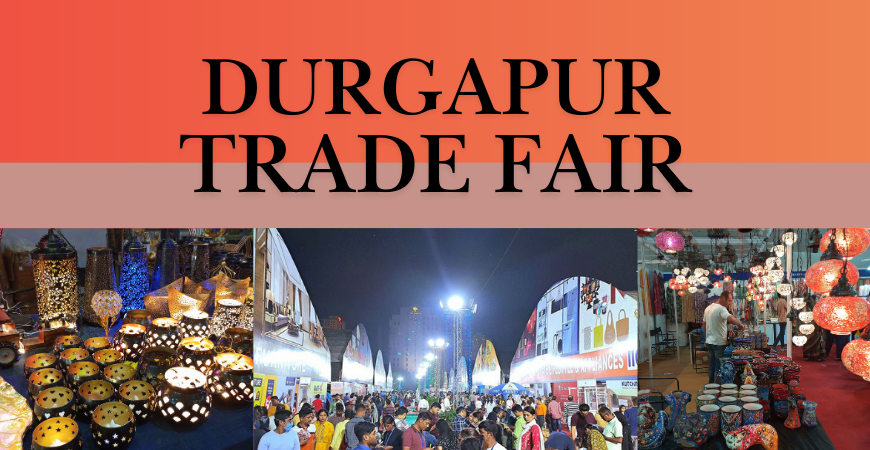
The Durgapur trade fair has steadily grown into one of the most influential business and consumer exhibitions in Eastern India. For anyone observing how regional markets evolve, this fair offers a clear window into changing buying habits, emerging industries, and the growing confidence of local enterprises.
At its core, theTrade Fair represents opportunity. It is a place where first-time entrepreneurs stand next to established brands, where traditional craftsmanship meets modern manufacturing, and where regional demand shapes national ambitions. Organized by the India Global Grand Trade Fair, the event has been designed to serve as more than an exhibition; it functions as a bridge between Eastern India and the rest of the country’s markets.
Durgapur itself plays a crucial role in this story. Known for its industrial backbone and strategic location, the city offers the perfect environment for a trade fair that aims to draw attention from multiple states. As the Durgapur trade fair continues to expand in scale and relevance, it increasingly defines how Eastern India presents its economic potential to the wider world.
The Strategic Importance of the Durgapur trade fair in Eastern India
The Durgapur trade fair holds a unique position in the regional economic landscape because of where it is located and who it serves. Durgapur sits at the crossroads of major industrial belts and transport corridors in West Bengal, making it accessible to businesses and visitors from Jharkhand, Bihar, Odisha, and even parts of the North-East. This geographic advantage transforms the fair into a natural meeting point for trade and commerce.
Durgapur as an Industrial and Commercial Hub
Durgapur has long been associated with heavy industries such as steel, power generation, and manufacturing. Over time, however, the city has diversified its economic base. Small and medium enterprises, service providers, retail brands, and technology-driven startups have found space to grow here. The Durgapur trade fair reflects this evolution by showcasing a wide mix of sectors under one roof.
When businesses participate in the Durgapur Trade Fair, they gain access to a market that is both industrially mature and consumer-driven. This balance is important because it allows exhibitors to explore B2B marketing opportunities alongside direct consumer sales. For many companies, especially MSMEs, this dual exposure is difficult to achieve in metro-centric trade fairs.
Eastern India’s Expanding Consumer Market
Eastern India has often been underestimated in discussions about consumer spending, but recent data suggests otherwise. According to industry reports, Tier-2 and Tier-3 cities in this region are witnessing faster growth in discretionary spending compared to several metropolitan areas. The Durgapur trade fair captures this momentum by attracting visitors who are eager to explore new products, brands, and experiences.
The fair acts as a testing ground for businesses looking to understand regional preferences. Food brands gauge taste profiles, consumer goods companies observe price sensitivity, and service providers assess awareness levels. These insights, gathered through direct interaction, are often more valuable than digital analytics alone.
Role of India Global Grand Trade Fair as Organizer
Being organized by the India Global Grand Trade Fair adds credibility and structure to the event. The organizers bring experience from hosting exhibitions across different cities, which reflects in stall planning, exhibitor mix, visitor management, and promotional outreach. Their involvement ensures that the Durgapur trade fair maintains professional standards while still retaining a local, accessible feel.
This balance between professionalism and regional flavor is one of the reasons the fair continues to attract repeat exhibitors and visitors year after year. Businesses trust the platform, and consumers look forward to it as a major event on the city’s calendar.
Business, Culture, and Commerce at the Durgapur Trade Fair
While trade fairs are often discussed purely in economic terms, the Durgapur trade fair stands out because it blends business with culture and community. This combination is not accidental; it is a reflection of how markets function in Eastern India, where relationships and cultural context play a major role in commercial success.
A Platform for MSMEs and Emerging Brands
One of the most defining features of the Durgapur trade fair is its strong representation of micro, small, and medium enterprises. For many MSMEs, participating in large metro exhibitions can be financially and logistically challenging. The Durgapur trade fair offers a more accessible alternative without compromising on reach or impact.
Emerging brands use the fair to introduce themselves to a broad audience. A handcrafted furniture maker from rural Bengal, a food processing unit from Jharkhand, or a textile brand from Odisha can all find visibility here. These businesses benefit from direct consumer feedback, which often influences their future product development and pricing strategies.
In many cases, participation in the Durgapur trade fair becomes a turning point. Exhibitors secure distributor leads, receive bulk orders, or attract investors who see potential in scaling regional brands to national markets.
Consumer Engagement Beyond Transactions
The success of the Durgapur trade fair is also tied to how it engages visitors beyond simple buying and selling. Live demonstrations, product trials, cultural performances, and food courts turn the fair into an experience rather than a marketplace. This experiential aspect increases footfall and encourages visitors to spend more time exploring stalls.
From a business perspective, longer visitor engagement translates into stronger brand recall. When consumers associate a brand with a positive experience at the Durgapur Trade Fair, they are more likely to remember and trust it later. This emotional connection is particularly valuable in markets where word-of-mouth plays a significant role in purchase decisions.
Cultural Representation and Regional Identity
Another important dimension of the Durgapur trade fair is its celebration of regional culture. Handicrafts, handloom textiles, traditional foods, and folk art are given space alongside modern products and services. This coexistence sends a powerful message: economic growth does not have to come at the cost of cultural identity.
For visitors, this cultural richness adds depth to the fair. For exhibitors, it provides context. A brand selling modern home décor, for example, can draw inspiration from traditional design elements showcased nearby. In this way, the fair becomes a place where innovation and tradition inform each other.
Growing Toward an International Trade Fair Platform
Beyond its regional influence, the Durgapur trade fair is gradually aligning itself with global trade dynamics. With increasing interest from overseas manufacturers, exporters, and sourcing agents, the fair is beginning to reflect the spirit of an international trade fair where cross-border business conversations take shape. This global exposure not only widens opportunities for local enterprises but also introduces international quality standards, product trends, and partnerships into the Eastern India market, helping regional businesses think beyond domestic boundaries and compete on a larger stage.
Statistics and Economic Impact
Trade fairs of this scale typically generate significant economic activity beyond the exhibition grounds. Studies on regional trade fairs in India suggest that large exhibitions can boost local economies by 15–20% during the event period through increased spending on accommodation, transport, food, and services. The Durgapur trade fair contributes to this multiplier effect by attracting visitors from neighboring districts and states.
Local vendors, hotels, transport operators, and temporary staff all benefit from the influx of visitors. Over time, this economic ripple strengthens Durgapur’s position as a preferred destination for future exhibitions and business events.
Why the Durgapur trade fair Is a Gateway to Eastern India Market
The idea of the Durgapur trade fair as a gateway is not symbolic; it is practical and measurable. For businesses aiming to enter or expand within Eastern India, the fair offers insights, connections, and opportunities that are difficult to replicate elsewhere.
Understanding Regional Demand Patterns
Eastern India is not a monolithic market. Preferences vary widely across states, cities, and even districts. The Durgapur trade fair brings this diversity into one space. An exhibitor can interact with visitors from different backgrounds within a single day, observing how responses change across demographics.
This exposure helps businesses fine-tune their strategies. Pricing models, packaging sizes, language used in marketing materials, and even after-sales service expectations can be adjusted based on real interactions. Such granular understanding is essential for long-term success in the region.
Building Trust Through Face-to-Face Interaction
In many parts of Eastern India, trust is built through personal interaction rather than digital advertising alone. The Durgapur trade fair facilitates this by allowing buyers and sellers to meet, talk, and negotiate directly. For B2B players, this face-to-face engagement often accelerates deal closures.
Distributors and retailers attending the fair can assess product quality firsthand, understand brand values, and gauge the seriousness of the business behind the stall. This transparency reduces perceived risk and encourages partnerships that extend well beyond the duration of the fair.
Launchpad for Market Expansion
For companies headquartered outside Eastern India, the Durgapur trade fair often serves as the first step into the region. Instead of opening offices or warehouses immediately, businesses can test the waters by participating in the fair. The feedback and leads generated help them decide where and how to invest next.
Several brands that now have a strong presence in Eastern India began their journey at regional trade fairs like this one. The relatively lower cost of participation compared to metro exhibitions makes experimentation feasible, especially for mid-sized companies.
Role of Digital Integration
Modern trade fairs are no longer purely physical events, and the upcoming Durgapur trade fair reflects this shift. Many exhibitors integrate digital tools such as QR codes, social media campaigns, and online catalogs into their stalls. This hybrid approach extends the impact of the fair beyond its physical boundaries.
Visitors who discover a brand at the fair often continue the relationship online, following social media pages or placing repeat orders through e-commerce platforms. This blend of offline trust and online convenience is particularly effective in emerging markets.
Long-Term Value for Stakeholders
The true value of the Durgapur trade fair lies in its long-term impact. For exhibitors, it is not just about sales during the event but about building a foothold in Eastern India. To consumers, it is about access to variety and innovation. For the city, it is about economic growth and recognition.
Organized by the India Global Grand Trade Fair, the event continues to evolve, incorporating feedback from participants and adapting to market trends. This responsiveness ensures that the fair remains relevant and valuable year after year.
The Future Outlook of the Durgapur Trade Fair
Looking ahead, the Durgapur trade fair is poised to play an even larger role in shaping Eastern India’s market dynamics. As infrastructure improves and disposable incomes rise, the region’s importance in national economic conversations will only grow. Trade fairs like this one act as catalysts, accelerating connections that might otherwise take years to form.
There is also potential for greater international participation. As global brands look beyond saturated metro markets, Eastern India offers untapped opportunities. The Durgapur Trade Fair, with its established reputation and organizational backing, could become a preferred entry point for such brands.
Sustainability and innovation are likely to feature more prominently in future editions. From eco-friendly packaging to renewable energy solutions, exhibitors are increasingly aware of changing consumer expectations. Incorporating these themes can further enhance the fair’s relevance and appeal.
Conclusion
The Durgapur trade fair has earned its reputation as a gateway to the Eastern India market through consistency, inclusivity, and strategic vision. It brings together diverse stakeholders in a way that feels organic rather than forced, commercial yet community-oriented.
For businesses, the fair offers insights and access that are difficult to replicate through digital channels alone. To consumers, it provides exposure to new ideas, products, and experiences. For Durgapur, it reinforces the city’s role as a regional powerhouse.
As organized by the India Global Grand Trade Fair, the event continues to raise standards while staying rooted in local realities. In doing so, it not only reflects the economic pulse of Eastern India but also helps shape its future.