
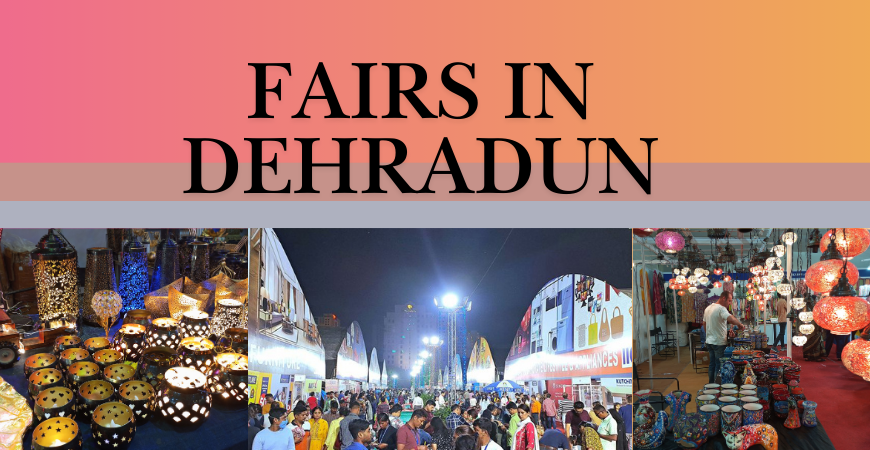
Fairs in Dehradun are more than just temporary gatherings filled with stalls, rides, and celebrations. They are living expressions of the region’s history, beliefs, seasonal rhythms, and community life. When people talk about Dehradun, they often mention its pleasant climate, scenic valleys, and educational institutions. Yet, beneath this calm and modern image lies a deeply rooted cultural heartbeat that becomes most visible during local fairs. These fairs bring together people from different backgrounds, villages, and generations, creating a shared space where tradition meets everyday life.
This reflects how culture survives and evolves at the grassroots level. They are not staged performances created only for visitors; instead, they are organic, community-driven events shaped by faith, agriculture, local trade, and seasonal change. Every fair tells a story—of devotion, survival, gratitude, or celebration. Some fairs are centuries old, passed down through oral traditions, while others have adapted to modern lifestyles without losing their cultural core.
These kinds of fairs are a mix of culture, tradition, and business, where people come together to enjoy performances, shop for local goods, and connect with the community. Many of these events are organized by the India Global Grand Trade Fair in association with the Bharat Chamber of Commerce, bringing together tradition and modern trade opportunities.
The Cultural Landscape That Shapes Fairs in Dehradun
To truly understand Dehradun, one must first understand the cultural landscape of the region. Dehradun lies in the Doon Valley, nestled between the Shivalik range and the foothills of the Himalayas. This geographical position has historically made it a meeting point for traders, pilgrims, farmers, and spiritual seekers. Over time, these interactions shaped a unique cultural blend that reflects Garhwali traditions, influences from neighboring plains, and spiritual practices linked to the Himalayas.
The population of Dehradun includes native Garhwali communities, migrant workers, students, defense personnel, and professionals from across India. Despite this diversity, traditional fairs continue to play a unifying role. Alongside cultural celebrations, trade fairs and exhibitions have also become important social spaces, blending commerce with community interaction. They offer a shared cultural language that transcends differences. When a fair, trade fair, or exhibition takes place, social hierarchies soften. Farmers, shopkeepers, students, elders, and children all become participants rather than spectators.
Historically, fairs in Dehradun emerged from practical needs. Farmers gathered after harvest seasons to trade produce and tools. Religious communities assembled on auspicious dates to perform rituals and seek blessings. Over time, entertainment, crafts, and food became part of these gatherings. What started as necessity gradually transformed into tradition.
Religious Roots of Fairs in Dehradun
Religion plays a central role in shaping fairs. Many of the most prominent fairs are closely tied to temples, sacred rivers, and mythological events. These fairs are not just religious ceremonies; they are social events where faith and community life intersect.
Religious fairs often coincide with important dates in the Hindu calendar. On these days, devotees travel from nearby villages and towns to visit temples, offer prayers, and participate in rituals. The act of gathering itself is seen as sacred. Walking together, eating together, and praying together strengthens social bonds.
Temples in and around Dehradun become focal points during such fairs. Temporary stalls selling flowers, incense, sweets, and religious items appear overnight. Local priests conduct special rituals, while folk singers narrate mythological stories through songs. For many families, attending these fairs is a tradition passed down through generations.
Importantly, religious fairs in Dehradun are inclusive in nature. Even those who are not deeply religious attend for the cultural experience, food, and social interaction. Similarly, events like the India Trade Fair attract people from all walks of life, blending commerce, culture, and entertainment. This inclusivity helps preserve the fairs and trade exhibitions as community events rather than strictly religious or commercial gatherings.
Fairs in Dehradun as Living Archives of Cultural Heritage
Beyond celebration and tradition, Fairs in Dehradun also serve as quiet reminders of balance—between progress and preservation. As the city grows and modern lifestyles become more dominant, these fairs act as cultural anchors. They slow people down, even if only for a day, and invite them to engage in practices that value patience, participation, and presence. Watching a ritual unfold, listening to a folk song, or sharing a meal with strangers at a fair offers a form of grounding that modern urban spaces often lack. This balance is what allows tradition to coexist with change rather than be replaced by it.
Seasonal Influence on Fairs in Dehradun
Seasonality plays a significant role in determining the timing and character of Fairs. Many fairs are linked to agricultural cycles, monsoon patterns, and climatic changes. These fairs often mark transitions—end of harvest, beginning of a new season, or preparation for winter.
During post-harvest periods, fairs become spaces of gratitude and celebration. Farmers celebrate the yield, exchange seeds, and plan for the next agricultural cycle. Traditional foods made from freshly harvested grains become central to these fairs, offering a taste of local cuisine rooted in seasonal produce.
Monsoon-linked fairs often carry spiritual significance. Rain is considered a blessing in agrarian societies, and fairs during this time reflect prayers for balance—enough rain for crops but not too much to cause floods. Rituals during these fairs often symbolize harmony between humans and nature.
Winter fairs, on the other hand, tend to be more social and celebratory. With agricultural activity slowing down, people have more time to gather, shop, and enjoy cultural performances. Seasonal rhythms like these, along with events such as the Trade Fair in Dehradun, ensure that fairs remain deeply connected to nature while also providing a platform for commerce and community interaction.
Folk Traditions and Performances at Fairs in Dehradun
One of the most captivating aspects of Dehradun’s fair is the presence of folk traditions and performances. These are not staged for commercial purposes but are deeply embedded in local culture. Folk music, dance, storytelling, and drama bring fairs to life and serve as a medium for cultural transmission.
Garhwali folk songs are commonly heard during fairs. These songs often narrate stories of local heroes, daily struggles, love, migration, and devotion. Sung in the native language, they preserve linguistic heritage while resonating emotionally with listeners. Elders often recall stories associated with these songs, turning performances into intergenerational learning experiences.
Traditional dances performed during fairs are communal rather than competitive. People join hands, form circles, and move rhythmically to drums and flutes. Participation matters more than perfection. This collective involvement reinforces the idea that it is about togetherness rather than spectacle.
Street plays and folk dramas are another important element. These performances often address social issues such as migration, environmental conservation, and moral values through humor and storytelling. By blending entertainment with messages, fairs become platforms for social awareness rooted in tradition.
Preserving Cultural Memory at Fairs in Dehradun
For creators, researchers, and cultural observers, fairs present an opportunity to document living heritage in its most authentic form. Unlike curated events, these fairs evolve naturally, shaped by community needs and collective memory. Every visit reveals something new—a story from an elder, a forgotten craft, a ritual explained differently each time. Capturing these nuances not only adds depth to content but also contributes to cultural preservation. In this way, fairs become more than subjects of observation; they become shared narratives that grow richer the more they are respectfully recorded and understood.
Local Food Culture at Fairs in Dehradun
Food is an inseparable part of fairs, and it offers a direct connection to local culture. Unlike commercial food festivals, fair food in Dehradun reflects home-style cooking, traditional recipes, and seasonal ingredients.
Stalls selling local sweets, snacks, and meals attract visitors not just for taste but for nostalgia. Many dishes are prepared using age-old techniques passed down through families. The smell of freshly cooked food becomes part of the fair’s identity, drawing people together around shared flavors.
Traditional beverages made from local ingredients are also common during fairs. These drinks are often prepared fresh and served in simple cups, emphasizing authenticity over presentation. For visitors, tasting these foods becomes a cultural experience rather than just a culinary one.
Food stalls at fairs in Dehradun also play an economic role. Many small vendors rely on these events for a significant portion of their income. This reinforces the idea that fairs are not just cultural gatherings but also support local livelihoods.
Crafts, Artisans, and Local Economy
Another vital dimension of fairs in Dehradun is their role in sustaining local crafts and artisans. Many traditional crafts that struggle to survive in urban markets find renewed life during fairs. Handwoven fabrics, wooden items, metal crafts, and handmade jewelry are commonly displayed.
Artisans often use fairs as direct-to-customer platforms, bypassing middlemen. This allows them to explain the stories behind their work, demonstrate techniques, and build personal connections with buyers. Such interactions add value beyond the product itself.
For younger generations, seeing these crafts in action creates awareness and appreciation. Children watch artisans at work, ask questions, and sometimes even try their hand at simple tasks. In this way, fairs in Dehradun act as informal cultural classrooms.
Economically, fairs contribute to micro-entrepreneurship. Temporary stalls, local transport services, and accommodation needs create short-term employment opportunities. This economic dimension ensures that fairs remain relevant in modern times.
Social Bonding and Community Identity
At their core, fairs in Dehradun are about people coming together. In an era where digital communication often replaces face-to-face interaction, fairs offer a rare opportunity for genuine social bonding. Families plan visits together, friends reunite, and communities reconnect.
These gatherings reinforce a sense of belonging. People identify themselves as part of a shared cultural narrative. Elders feel respected as carriers of tradition, while younger participants feel included rather than excluded. This balance between continuity and change keeps fairs alive.
Marriage alliances, business discussions, and community decisions often take place informally during fairs. Such interactions highlight the social importance of these events beyond entertainment. Fairs in Dehradun function as social hubs where relationships are formed and strengthened.
Evolution of Fairs in Dehradun in Modern Times
While tradition remains central, fairs have not remained static. They have evolved to accommodate changing lifestyles, urbanization, and technology. Modern elements such as electric rides, sound systems, and digital payments have found their way into fairs.
However, this evolution has been largely adaptive rather than disruptive. Core rituals, cultural performances, and community involvement continue to define the essence of fairs. Modern conveniences are integrated to enhance accessibility without erasing tradition.
Social media has also influenced how fairs are perceived. Younger attendees document experiences through photos and videos, sharing them online. While this increases visibility, it also raises questions about commercialization. Yet, many fairs maintain boundaries, ensuring that cultural integrity is preserved.
The Role of Fairs in Preserving Cultural Memory
Perhaps the most important role of fairs is their contribution to preserving cultural memory. In societies where written records may be limited, fairs act as living archives. Songs, rituals, stories, and practices passed down during fairs ensure continuity.
Elders often use fairs as opportunities to narrate local legends and historical events. These oral traditions keep history alive in ways textbooks cannot. For younger generations, participating in fairs becomes a form of cultural inheritance.
In this sense, in Dehradun are not just events but processes—ongoing cultural conversations that evolve while remaining rooted in the past.
Why Fairs in Dehradun Still Matter Today
In a rapidly globalizing world, local traditions often face the risk of fading away. Yet, Fairs in Dehradun continue to matter because they adapt without losing their soul. They remind people of their roots while welcoming change.
These fairs teach valuable lessons about community living, respect for nature, and shared celebration. They offer moments of pause in busy lives, allowing people to reconnect with culture and with each other.
For visitors, fairs provide authentic insights into Dehradun’s cultural fabric. For locals, they reinforce identity and belonging. This dual role ensures the continued relevance of fairs in the region.
In today’s fast-moving world, where festivals are often reduced to social media moments, fairs continue to preserve authenticity. They are spaces where people still walk barefoot in temples, share food with strangers, listen to folk music, and shop from local artisans instead of global brands. Understanding these fairs helps us understand Dehradun itself—not just as a city, but as a cultural ecosystem shaped by hills, rivers, faith, and community bonds.
Conclusion: Fairs in Dehradun as Living Traditions
Fairs in Dehradun are living traditions—dynamic, inclusive, and deeply meaningful. They reflect the region’s history, beliefs, and social values while adapting to modern realities. From religious rituals and seasonal celebrations to food, crafts, and community bonding, these fairs capture the essence of Dehradun’s cultural life.
More than mere events, fairs are experiences that connect past and present. They remind us that culture is not something preserved in museums but something lived, shared, and celebrated together. As long as communities continue to gather, sing, eat, and pray together, it will remain a vibrant part of the region’s identity.