
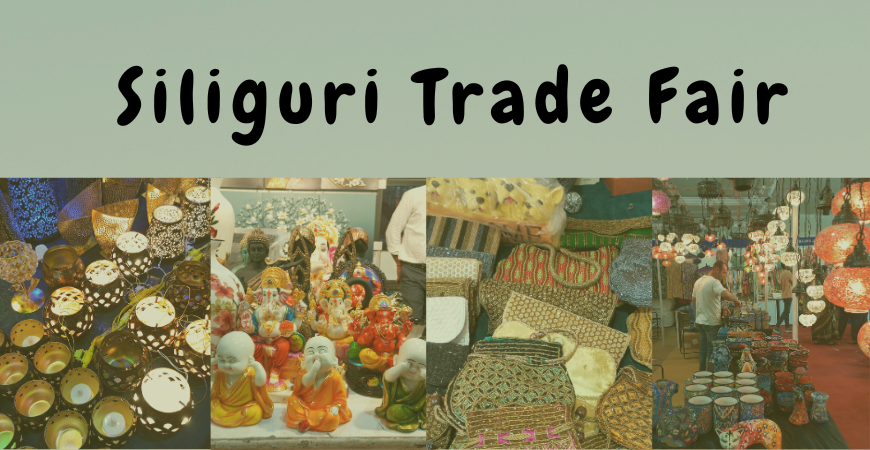
The Siliguri trade fair has steadily evolved into one of the most influential business events in eastern India, drawing attention from entrepreneurs, traders, and consumers alike. What once began as a regional exhibition has grown into a powerful marketplace where ideas, products, and partnerships converge.
For businesses seeking visibility beyond local boundaries, the Siliguri trade fair offers something rare—direct access to diverse markets within a short span of time. This is not just a place to display products; it is a space where real business conversations happen.
Its growing importance reflects a broader shift in how brands now value physical engagement alongside digital reach.
Siliguri’s Strategic Location Fuels Business Attraction
One of the strongest reasons the Siliguri trade fair has become a major business attraction lies in the city’s geographic advantage. Siliguri sits at the junction of India’s Northeast, West Bengal, Nepal, Bhutan, and Bangladesh. This positioning makes it a natural trade corridor rather than just a city hosting an event.
Businesses participating in the fair do not interact with a single-market audience. Instead, they engage with buyers, distributors, and visitors representing multiple regions. This cross-border exposure significantly enhances commercial reach without the logistical complexity of international travel.
Unlike metro-centric events, the Siliguri trade fair captures emerging demand from semi-urban and developing markets—segments that are growing faster than saturated metro audiences. This makes Siliguri a testing ground for scalable business expansion.
The Siliguri Trade Fair as a Gateway for Emerging Markets
While many exhibitions focus on established buyers, the Siliguri trade fair thrives because it connects brands to untapped consumer bases. The North Bengal region has seen consistent growth in purchasing power, supported by infrastructure development, tourism, and improved connectivity.
For brands entering these markets for the first time, the fair acts as a controlled, high-footfall environment where demand patterns become visible almost instantly. Businesses can observe buyer behavior, pricing sensitivity, and product preferences in real time.
This is particularly valuable for small and medium enterprises that want to expand regionally without committing to permanent physical outlets.
A Platform That Balances Business and Accessibility
What sets the Siliguri trade fair apart is its balance between scale and accessibility. Unlike large metropolitan expos that often feel intimidating for smaller brands, Siliguri offers a more approachable environment. Stall costs, operational expenses, and logistics remain comparatively manageable.
This accessibility encourages participation from startups, artisans, manufacturers, and service providers who might otherwise avoid large-scale exhibitions. As a result, the diversity of offerings becomes a key attraction for visitors.
The fair’s structure ensures that innovation is not overshadowed by corporate dominance—making discovery a core part of the experience.
Real Business Happens Through Face-to-Face Interaction
In an era dominated by digital marketing, the Siliguri trade fair reminds businesses of the power of human connection. Face-to-face interactions build trust faster than any online campaign, especially in regions where buying decisions are relationship-driven.
Visitors are not just browsing; many attend with clear purchasing intent. Conversations at stalls often lead to bulk orders, dealership discussions, and long-term collaborations. This human element transforms the fair into an active business zone rather than a passive display space.
This is where Trade Fair Networking becomes a practical advantage, not just a buzzword.
Diverse Industry Representation Under One Roof
Another reason the Siliguri trade fair continues to attract businesses is its wide industry mix. From consumer goods and electronics to textiles, real estate, education, and food products, the fair reflects the real economy rather than a niche sector.
This diversity benefits exhibitors in unexpected ways. A visitor may come for household goods but discover a service provider or business opportunity elsewhere. Cross-industry exposure increases lead quality and opens doors to unconventional partnerships.
It also mirrors the success patterns seen in International Trade Fairs, where variety fuels footfall and engagement.
Visual Merchandising and the Power of Presentation
The fair environment encourages businesses to rethink how they present themselves. Effective Trade Show Displays play a crucial role in attracting attention in a competitive space. Brands that invest in visual storytelling—through layout, lighting, and interaction—stand out immediately.
The Siliguri trade fair became a live laboratory for testing presentation strategies. What catches attention? What encourages longer conversations? These insights often shape how brands later approach retail outlets and exhibitions elsewhere.
This learning value extends far beyond the fair days.
Learning From Comparable Regional Trade Events
When compared with events like the trade show in Durgapur, Siliguri’s advantage lies in its cross-border influence. While both cities contribute to regional commerce, Siliguri’s connectivity amplifies its commercial impact.
Businesses that have participated in multiple fairs often note higher inquiry diversity and follow-up potential in Siliguri. This makes the fair not just regionally important, but strategically significant for east and northeast-focused growth plans.
Economic Impact Beyond the Exhibition Grounds
The Siliguri trade fair contributes directly to the local economy through tourism, hospitality, transportation, and temporary employment. Hotels operate at higher occupancy, local vendors see increased sales, and service providers benefit from heightened activity.
This ripple effect strengthens community support for the fair, ensuring sustained participation and visitor interest year after year. A stable ecosystem enhances the fair’s credibility, which in turn attracts higher-quality exhibitors.
It becomes a self-reinforcing cycle of growth.
The Role of Exhibitions in Modern Business Strategy
Trade events like the Siliguri trade fair highlight why Trade Fair And Exhibition formats remain relevant even in digital-first economies. Physical presence creates brand recall that digital impressions often fail to achieve alone.
When combined with online promotion and post-event follow-ups, exhibitions become powerful conversion tools rather than standalone activities.
This integrated approach explains why participation continues to rise despite changing marketing trends.
Understanding Buyer Psychology at the Siliguri Trade Fair
One of the biggest strengths of the Siliguri trade fair lies in the mindset of its visitors. Unlike casual mall shoppers or online browsers, many attendees arrive with intent. They come prepared to compare options, negotiate prices, and discover suppliers they can rely on long-term.
Buyers at the fair typically fall into three categories: end consumers looking for value, resellers searching for new products, and business representatives scouting partnerships. This mix creates a rare environment where retail and wholesale conversations happen side by side.
What makes this particularly valuable is trust-building. In emerging and semi-urban markets, face-to-face interaction still plays a decisive role in purchase decisions. A product demonstration, a genuine conversation, or even a small customization offer can immediately convert interest into action.
The Expanding Influence of the Siliguri Trade Fair on Regional Commerce
The Siliguri trade fair continues to play a vital role in strengthening regional commerce by connecting manufacturers, service providers, and buyers on a common platform. Such business events help brands gain market exposure, understand consumer demand, and build long-term trade relationships across emerging regions. When linked with broader resources on business exhibitions, regional trade platforms, and industry networking events, this fair demonstrates how structured trade environments accelerate economic activity. For companies exploring growth opportunities through exhibition marketing, B2B trade events, and commercial networking platforms, the Siliguri trade fair serves as a practical example of how physical marketplaces still drive measurable business impact.
Why MSMEs and Startups Benefit the Most
For MSMEs and startups, the Siliguri trade fair often delivers more impact than expensive digital campaigns. Limited budgets demand smarter exposure, and trade fairs provide concentrated visibility within a short timeframe.
Instead of chasing scattered online leads, small businesses interact with hundreds—or even thousands—of potential customers in person. This not only improves conversion rates but also sharpens business clarity. Founders quickly learn which products resonate, which price points work, and which features customers actually value.
Many first-time exhibitors report recovering their participation cost during the fair itself, with additional revenue generated through post-event orders. That immediate feedback loop is difficult to replicate through any other marketing channel.
Distribution and Dealership Opportunities Emerge Naturally
Another major attraction of the Siliguri trade fair is its ability to connect manufacturers directly with distributors and dealers. Because Siliguri draws visitors from neighboring states and bordering countries, conversations often shift from retail sales to regional distribution.
These interactions are rarely forced. A reseller might approach a stall after noticing consistent footfall, or a wholesaler may initiate discussions after seeing demand patterns during the fair days. Such organic lead qualification saves months of outreach effort.
Over time, many brands build their eastern distribution network starting from relationships formed at this single event.
Real-Time Market Research Without Extra Cost
Traditional market research requires surveys, agencies, and long waiting periods. At the Siliguri trade fair, research happens in real time and at no additional cost.
Businesses observe:
- Which products attract attention
- How long visitors stay at the stall
- Common questions and objections
- Price sensitivity across demographics
These insights are invaluable, especially for companies planning product launches or regional expansion. Decisions become data-informed, not assumption-driven.
This practical learning environment is one reason repeat participation remains high.
Competitive Benchmarking in a Live Environment
Unlike online research, where competitors are filtered through algorithms, trade fairs allow brands to see the market clearly. At the Siliguri trade fair, businesses can assess competitors’ pricing, packaging, messaging, and engagement strategies side by side.
This visibility helps brands reposition themselves quickly. Some refine their offers mid-event, while others return the next year with improved products and sharper branding.
Such adaptive learning mirrors practices seen at leading global exhibitions, reinforcing the fair’s professional relevance.
The Growing Role of Experience-Driven Engagement
Modern buyers expect more than static displays. Interactive demos, sampling, storytelling, and live explanations now define successful stalls. The Siliguri trade fair has evolved to support this shift, encouraging experience-based engagement.
Brands that involve visitors—through touch, taste, or participation—often see stronger recall and higher post-event inquiries. This experiential approach transforms stalls into micro-brand environments rather than mere selling counters.
It also aligns with changing consumer behavior, where experience often outweighs price alone.
Strengthening Brand Credibility Through Physical Presence
For many regional and national brands, participating in the Siliguri trade fair is also a credibility signal. A well-presented stall communicates seriousness, stability, and commitment to the market.
Visitors often associate trade fair participation with legitimacy, especially in sectors where trust is essential. This perception advantage can accelerate decision-making and shorten sales cycles.
In competitive categories, being present at the fair is no longer optional—it’s expected.
Business Learning Beyond Sales Numbers
While revenue is important, the long-term value of the Siliguri trade fair lies in learning. Businesses leave with sharper communication skills, clearer target profiles, and improved negotiation confidence.
Teams gain firsthand exposure to customer behavior, which often reshapes internal strategies. Marketing messages become simpler, product explanations become clearer, and sales approaches become more human.
These learnings continue to generate value long after the fair ends.
Understanding Buyer Psychology at the Siliguri Trade Fair
One of the biggest strengths of the Siliguri trade fair lies in the mindset of its visitors. Unlike casual mall shoppers or online browsers, many attendees arrive with intent. They come prepared to compare options, negotiate prices, and discover suppliers they can rely on long-term.
Buyers at the fair typically fall into three categories: end consumers looking for value, resellers searching for new products, and business representatives scouting partnerships. This mix creates a rare environment where retail and wholesale conversations happen side by side.
What makes this particularly valuable is trust-building. In emerging and semi-urban markets, face-to-face interaction still plays a decisive role in purchase decisions. A product demonstration, a genuine conversation, or even a small customization offer can immediately convert interest into action.
Business Learning Beyond Sales Numbers
While revenue is important, the long-term value of the Siliguri trade fair lies in learning. Businesses leave with sharper communication skills, clearer target profiles, and improved negotiation confidence.
Teams gain firsthand exposure to customer behavior, which often reshapes internal strategies. Marketing messages become simpler, product explanations become clearer, and sales approaches become more human.
These learnings continue to generate value long after the fair ends.
Long-Term Return on Investment Beyond the Fair Days
One of the most underestimated strengths of the Siliguri trade fair is the long-term return it generates. While sales during the event are important, experienced exhibitors know that the real value unfolds in the weeks and months that follow.
Post-fair follow-ups often lead to bulk orders, dealership agreements, and repeat customers. Many businesses report that nearly 40–60% of their total revenue impact comes after the event through calls, referrals, and reorders. This delayed conversion makes participation far more profitable than it may initially appear.
Unlike short-lived digital campaigns, trade fair exposure creates memory-based brand recall. Buyers remember conversations, product demos, and personal interactions—elements that influence future decisions more strongly than advertisements.
Strengthening Cross-Border and Regional Trade Links
Siliguri’s proximity to international borders adds another layer of importance. The Siliguri trade fair naturally attracts visitors involved in cross-border trade, import-export, and regional distribution.
For manufacturers and wholesalers, this opens doors to markets that are otherwise difficult to access directly. Conversations that begin as casual inquiries often evolve into structured trade relationships. Over time, this has positioned the fair as an informal bridge between regional and international commerce.
This cross-border dynamic aligns closely with the broader objectives of International Trade Fairs, even though the event retains its regional accessibility and affordability.
How the Fair Supports Business Scaling, Not Just Sales
Many businesses enter the fair aiming to sell products, but leave with something more valuable—clarity on scalability. The Siliguri trade fair helps brands understand whether their operations can handle increased demand, wider distribution, and diverse customer expectations.
This insight is crucial for sustainable growth. Instead of expanding blindly, businesses refine logistics, packaging, pricing, and customer support based on real-world exposure. Growth becomes strategic rather than reactive.
This makes the fair particularly impactful for brands transitioning from local to regional markets.
Community Trust and Repeat Visitor Advantage
Unlike one-off exhibitions, the Siliguri trade fair benefits from strong community attachment. Many visitors attend year after year, building familiarity with both the event and participating brands.
This repeat visitor behavior creates trust cycles. Brands that return consistently are perceived as reliable, stable, and invested in the region. Over time, this trust translates into higher conversion rates and stronger word-of-mouth referrals.
In business terms, this is customer lifetime value being built offline.
The Evolving Professionalism of the Event
Over the years, the Siliguri trade fair has become more structured, better organized, and increasingly business-friendly. Improved stall layouts, visitor management, and exhibitor support have elevated the overall experience.
This professionalism encourages participation from serious businesses while still maintaining inclusivity for small players. The result is a balanced ecosystem where quality and diversity coexist.
Such evolution ensures the fair remains relevant in a rapidly changing business environment.
Why Physical Trade Platforms Still Matter
In a world dominated by screens, physical platforms like the Siliguri trade fair continue to hold strategic value. They allow brands to be seen, touched, questioned, and remembered.
Digital tools may generate awareness, but trust is often built offline. When used together, physical exhibitions and digital follow-ups create a powerful growth engine that neither can achieve alone.
This is why trade fairs remain an essential part of modern business strategy.
Final Thoughts
The Siliguri trade fair is not just an annual gathering—it is a business catalyst. It enables discovery, accelerates relationships, and transforms visibility into opportunity.
For startups, it offers a launchpad.
For established brands, it provides expansion momentum.
For the region, it strengthens economic connectivity.
In an era where meaningful engagement matters more than noise, the fair stands as a reminder that real business still thrives where people meet, talk, and trust.