
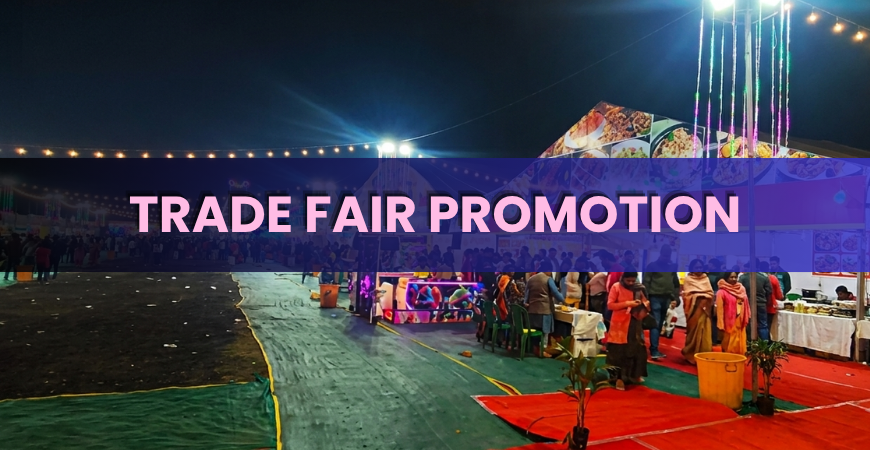
Trade fair promotion is about more than creating awareness for an event. It means reaching people who are genuinely interested in attending, discovering products, making connections, or finding business opportunities. A well-promoted trade fair attracts visitors who are relevant to exhibitors and more likely to engage.
The challenge is that audiences have different needs. Consumers may want new products, while buyers, entrepreneurs, and professionals may look for suppliers, partnerships, or networking opportunities. Effective promotion starts by understanding these differences.
Know Your Audience and Give Them a Reason to Attend
The first step is identifying the people most likely to benefit from the event. Consider factors such as industry, location, interests, professional role, purchasing needs, and intent. A consumer exhibition may target families and shoppers, while a business event may focus on buyers, distributors, entrepreneurs, and professionals.
This is where trade show planning becomes important. Audience identification, promotional channels, messaging, and event objectives should be considered before promotion begins.
Once the audience is clear, give them a strong reason to attend. Instead of only promoting the event name, date, and venue, highlight what visitors can gain, such as:
- Discovering new products and brands
- Finding suppliers or business partners
- Comparing products and solutions
- Watching demonstrations
- Exploring industry trends
- Building professional connections
The strongest promotional messages focus on visitor benefits, not just event information.
Use Digital Channels to Reach the Right People
Digital platforms allow organizers to reach different audience groups efficiently. However, the same message should not simply be copied across every channel.
Social Media
Use platforms such as Instagram, Facebook, LinkedIn, and YouTube to share:
- Exhibitor introductions
- Product previews
- Short videos
- Event countdowns
- Behind-the-scenes content
- Demonstrations
- Visitor-focused information
A product video, for example, can show why someone should visit a particular exhibitor instead of simply announcing that the exhibitor will be present.
Website and Search
A dedicated event page should clearly display the event name, dates, venue, location, categories, and visitor information. Search-friendly content can help people discover the event while looking for exhibitions, trade fairs, or business events.
A broader trade fair marketing strategy can connect website visibility with social media, email, advertising, and exhibitor promotion.
Email Marketing
Email can help reach existing customers and subscribers who are already relevant to the event. Messages can be segmented according to interests, making communication more useful than sending one generic announcement to everyone.
Use Local Promotion to Reach Nearby Visitors
Physical trade fairs depend heavily on local attendance. If an event takes place in Kolkata, for example, promoting it to people in Kolkata and nearby areas may be more effective than targeting a completely national audience.
Useful local channels include:
- Local search
- Regional publications
- Community groups
- Local influencers
- Nearby businesses
- Posters and flyers
- Business associations
Online and offline promotions should maintain consistent information about the event, including its dates, venue, and key attractions.
Let Exhibitors Promote the Event Too
Organizers do not have to build the entire audience themselves. Exhibitors already have customers, followers, email subscribers, partners, and professional networks. For an event such as the India Global Grand Trade Fair, exhibitors can help expand event visibility by promoting their participation to their own audiences.
They can promote the event through:
- “Meet us at the event” posts
- Booth previews
- Product announcements
- Special offers
- Demonstration videos
- Countdown posts
When multiple exhibitors promote the same event, they expose it to several relevant communities. This can also help generate better trade show leads, as some visitors may already know the businesses they want to meet.
Measure Whether You Reached the Right Audience
A campaign should not be judged only by impressions. High reach does not necessarily mean high-quality attendance.
| Metric | What It Shows |
|---|---|
| Impressions | Promotional exposure |
| Website visits | Audience interest |
| Registrations | Intent to attend |
| Attendance | Actual visitors |
| Lead quality | Audience relevance |
| Cost per registration | Campaign efficiency |
For example, a campaign reaching 25,000 relevant people may be more valuable than one reaching 100,000 unrelated users. The objective is relevant reach, not simply maximum reach.
For commercial events, connecting leads and outcomes with promotional spending can also help measure trade show ROI.
A Simple Trade Fair Promotion Framework
A practical approach can be summarized in five steps:
Define → Position → Promote → Engage → Measure
First, define the audience. Then give them a reason to attend. Promote through relevant channels, keep audiences engaged with useful content, and measure registrations, attendance, lead quality, and results.
Frequently Asked Questions
What is trade fair promotion?
Trade fair promotion involves activities used to create event awareness, generate interest, and encourage the right audience to attend.
How can a trade fair attract the right audience?
Define the ideal audience, understand their needs, communicate a clear reason to attend, and use channels they already use.
Which channels are useful for trade fair promotion?
Social media, search, websites, email, local media, community networks, exhibitors, and offline promotion can all be effective.
How do you measure trade fair promotion success?
Track registrations, attendance, inquiries, lead quality, cost per registration, and business outcomes instead of relying only on impressions.
Conclusion
Effective trade fair promotion is not about reaching the largest possible audience. It is about reaching people who are most likely to attend, engage, network, or create business opportunities. By defining the audience, communicating clear benefits, using appropriate channels, involving exhibitors, and measuring meaningful results, organizers can make their promotional efforts more focused and effective.
Pingback: Trade Fair in South Kolkata: What Makes It Worth Visiting?
Pingback: Trade Exhibition in Patuli: A Guide for First-Time Visitors