
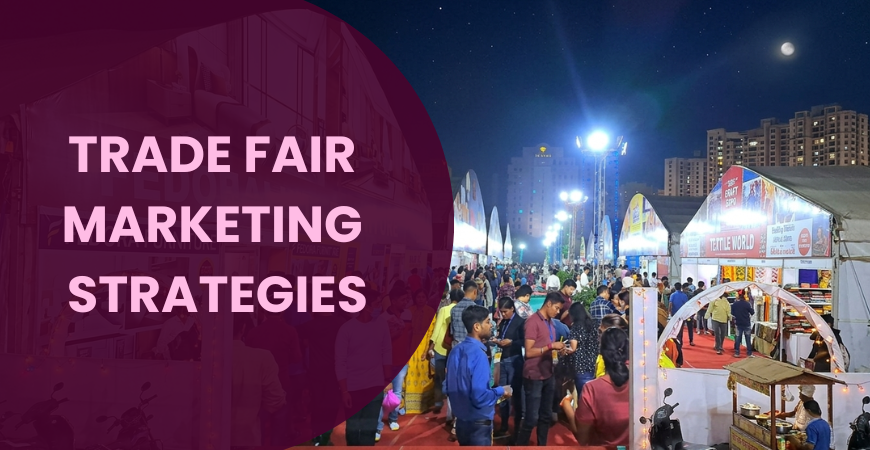
Trade fair marketing strategies can make the difference between a booth that simply gets noticed and one that generates meaningful business opportunities. Exhibiting at an event requires more than displaying products and waiting for visitors. Businesses need to attract the right audience, create engaging experiences, capture qualified leads, and continue the conversation after the event.
A successful trade fair should therefore be treated as a complete marketing campaign rather than a one-day activity. From pre-event promotion to post-event follow-up, every stage has a role in turning event participation into measurable business results.
Before the Trade Fair: Attract the Right Audience
Set Clear Marketing Goals
Start by deciding what you want to achieve from the exhibition. Your objectives could include generating leads, increasing brand awareness, launching a product, finding distributors, arranging business meetings, or supporting direct sales. Clear goals make it easier to decide which promotional activities deserve your time and budget and give you something specific to evaluate after the event.
Identify Your Target Audience
Understanding who you want to attract is one of the most important trade fair marketing strategies. Consider the industries, job roles, business sizes, purchasing needs, and problems that are most relevant to your offering. Rather than trying to appeal to everyone attending the exhibition, create messaging that speaks directly to your ideal prospects.
Good trade show planning helps connect these goals with your audience strategy. When exhibitors know who they want to reach and what they want from the event, their promotional content becomes more focused and useful.
Promote Your Participation Before the Event
Start creating awareness several weeks before the exhibition. Social media posts, email invitations, website announcements, short videos, product previews, and direct communication with existing customers can all encourage people to visit your booth. For example, exhibitors participating in the India Global Grand Trade Fair can use pre-event content to introduce their products, announce their participation, highlight their booth, and give potential visitors a reason to meet them at the event.
Instead of simply saying that your business will be exhibiting, explain what visitors can see, learn, experience, or receive. This makes promotional content more useful and gives prospects a clear reason to include your booth in their event plans.
Give Visitors a Reason to Visit
A strong reason to visit can significantly improve booth interest. Consider promoting a product demonstration, new launch, consultation, exclusive event offer, product trial, or interactive experience. Your booth preparation should support the promise made in your promotional content.
A trade fair exhibitor guide can also help exhibitors check important preparation areas, including booth messaging, promotional materials, staff responsibilities, and lead-capture arrangements.
During the Trade Fair: Engage and Qualify Visitors
Make Your Booth Message Clear
Visitors often make quick decisions about whether a booth is relevant to them. Use clear branding, readable signage, visible products, and a straightforward value proposition to communicate what you offer. Avoid filling the booth with too much text or complicated messaging. A visitor should be able to understand the basic offer quickly.
Train Your Booth Team
Your staff can have as much impact on results as the booth itself. Team members should know how to greet visitors naturally, ask relevant questions, understand their requirements, and explain the products or services clearly. Instead of giving every visitor the same sales pitch, encourage staff to adapt conversations according to each person’s needs.
Create Meaningful Experiences
Interactive experiences can turn passive visitors into engaged prospects. Product demonstrations, trials, presentations, videos, samples, and hands-on displays give people a reason to spend more time at the booth. These activities can also make it easier for staff to demonstrate practical benefits instead of relying only on verbal explanations.
Capture and Qualify Leads
Getting a large number of contacts is not necessarily a successful outcome. The quality of those contacts matters more. Record useful information such as the visitor’s company, requirement, product interest, purchase timeline, and follow-up priority.
A structured approach to trade show leads helps exhibitors separate genuine business opportunities from casual visitors. This makes post-event follow-up more focused and prevents promising prospects from being overlooked.
After the Trade Fair: Nurture and Convert Leads
Follow Up Promptly
Marketing should continue after the exhibition ends. Contact promising prospects while the conversation is still fresh. Depending on the lead and industry, follow-up may involve email, phone calls, WhatsApp messages, product information, demonstrations, or meetings.
Personalize Your Communication
Avoid sending the same generic message to every contact. A prospect who requested a quotation should receive different communication from someone who simply asked for product information. Referencing the visitor’s requirements or previous conversation can make the follow-up more relevant and useful.
Measure the Results
Once enough time has passed, compare the results with the goals established before the event. Look at qualified leads, meetings, sales opportunities, conversions, and revenue rather than relying only on visitor numbers.
Your trade show ROI becomes easier to understand when these figures are compared with the total cost of participating in the event. This can also help determine which marketing activities should be repeated or improved at future exhibitions.
Common Trade Fair Marketing Mistakes
Starting Promotion Too Late
Waiting until the event begins limits the amount of time available to build awareness and attract prospects.
Targeting Everyone
Broad messaging often becomes too generic. A defined audience allows exhibitors to create more relevant promotions.
Focusing Only on Booth Traffic
High footfall does not automatically mean high-quality business opportunities. Lead relevance and engagement are more useful indicators.
Ignoring Post-Event Follow-Up
Even strong event marketing can produce poor results when exhibitors fail to contact prospects after the exhibition.
A simple trade show checklist can help teams keep essential promotional, booth, staff, and follow-up tasks organized.
Frequently Asked Questions
What are the most effective trade fair marketing strategies?
The strongest approach combines pre-event promotion, targeted audience outreach, engaging booth experiences, trained staff, lead qualification, and timely post-event follow-up.
When should exhibitors start marketing before a trade fair?
Ideally, promotion should begin several weeks before the event. The exact timing depends on the event size, audience, industry, and promotional channels being used.
How can exhibitors attract more visitors to their booths?
Promote your participation before the event and give visitors a clear reason to stop, such as a product demonstration, launch, consultation, exclusive offer, or interactive experience.
How should trade fair leads be handled?
Leads should be recorded, qualified, segmented, and followed up according to their requirements and purchase intent. This helps sales teams prioritize their most valuable opportunities.
Conclusion
Effective trade fair marketing strategies extend far beyond promoting a booth. Exhibitors need to attract the right audience before the event, engage and qualify visitors during the exhibition, and nurture promising prospects afterward. By treating a trade fair as a complete marketing campaign and connecting preparation, visitor engagement, lead management, and follow-up, businesses can turn event participation into stronger relationships and more valuable business opportunities.
Pingback: Trade Fair Product Demonstration: Tips to Impress Visitors
Pingback: Trade Fair in South Kolkata: What Makes It Worth Visiting?